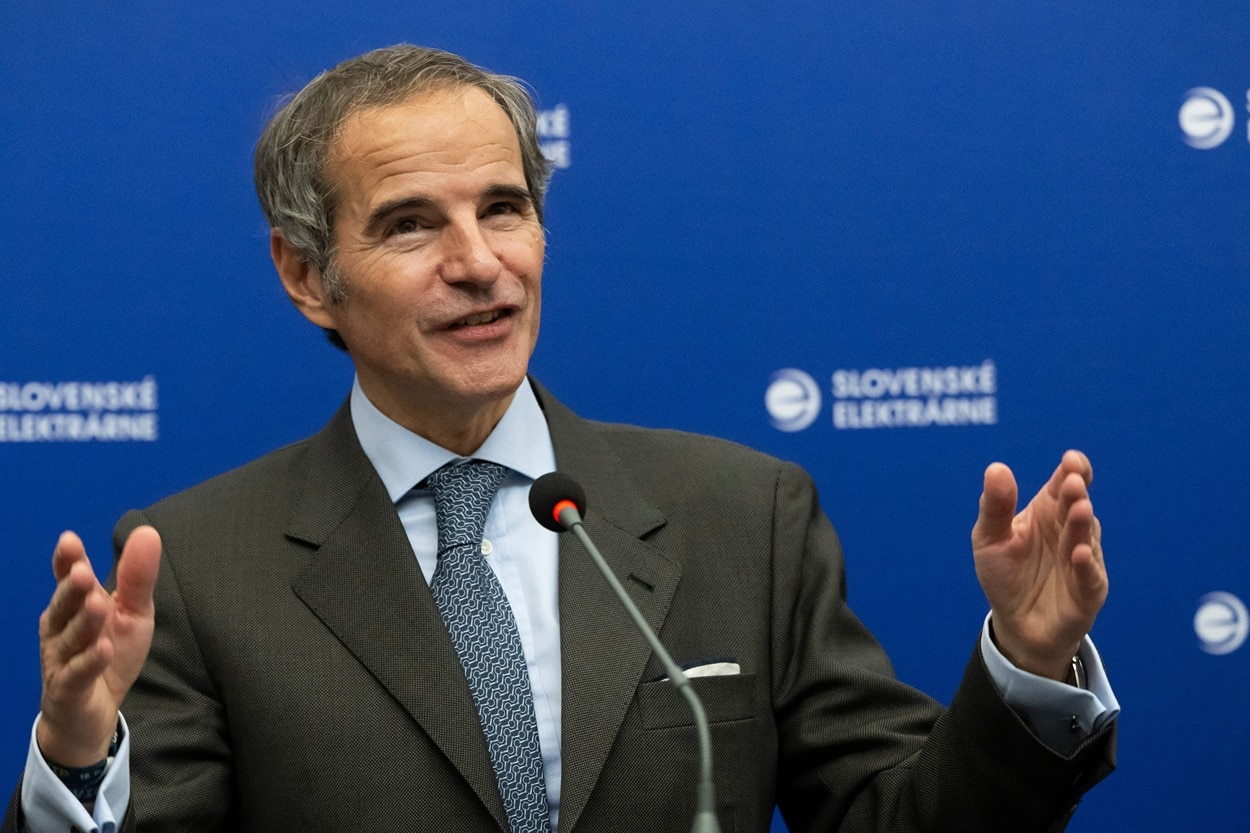
Since 31 January 2023, when it was first connected to the grid, NPP Mochovce 3 has already supplied 1.4 million megawatt-hours of electricity, which is enough to cover the annual consumption of 560 thousand Slovak households. "The citizens of Slovakia benefit from the third unit because we supply electricity to households at an unbeatably low price," said Branislav Strýček, CEO of Slovenské elektrárne, a.s., during the visit, "When the fourth unit comes into operation, this country will be practically decarbonised. Slovakia will be able to say that it produces energy without harming the environment. Slovaks can be rightly proud of their achievement," said Rafael Grossi, Director of the International Atomic Energy Agency (IAEA).
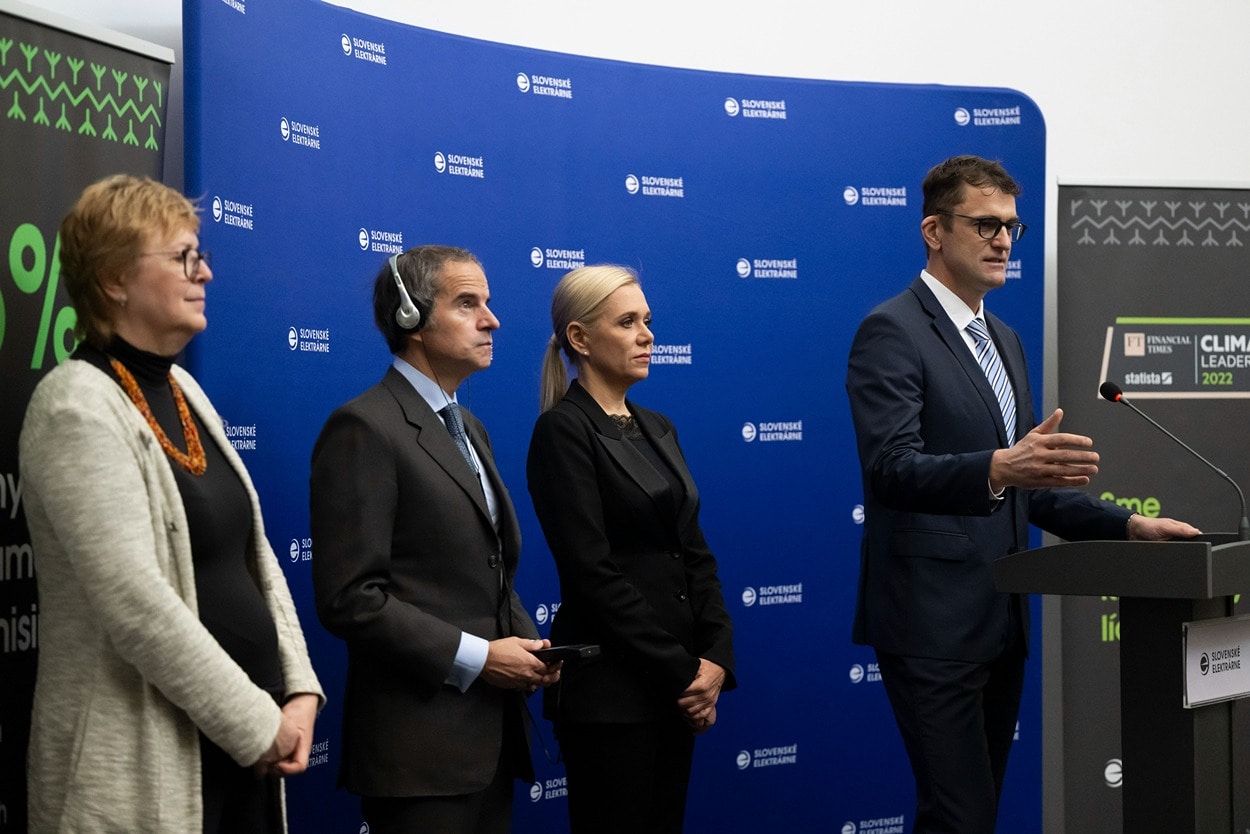
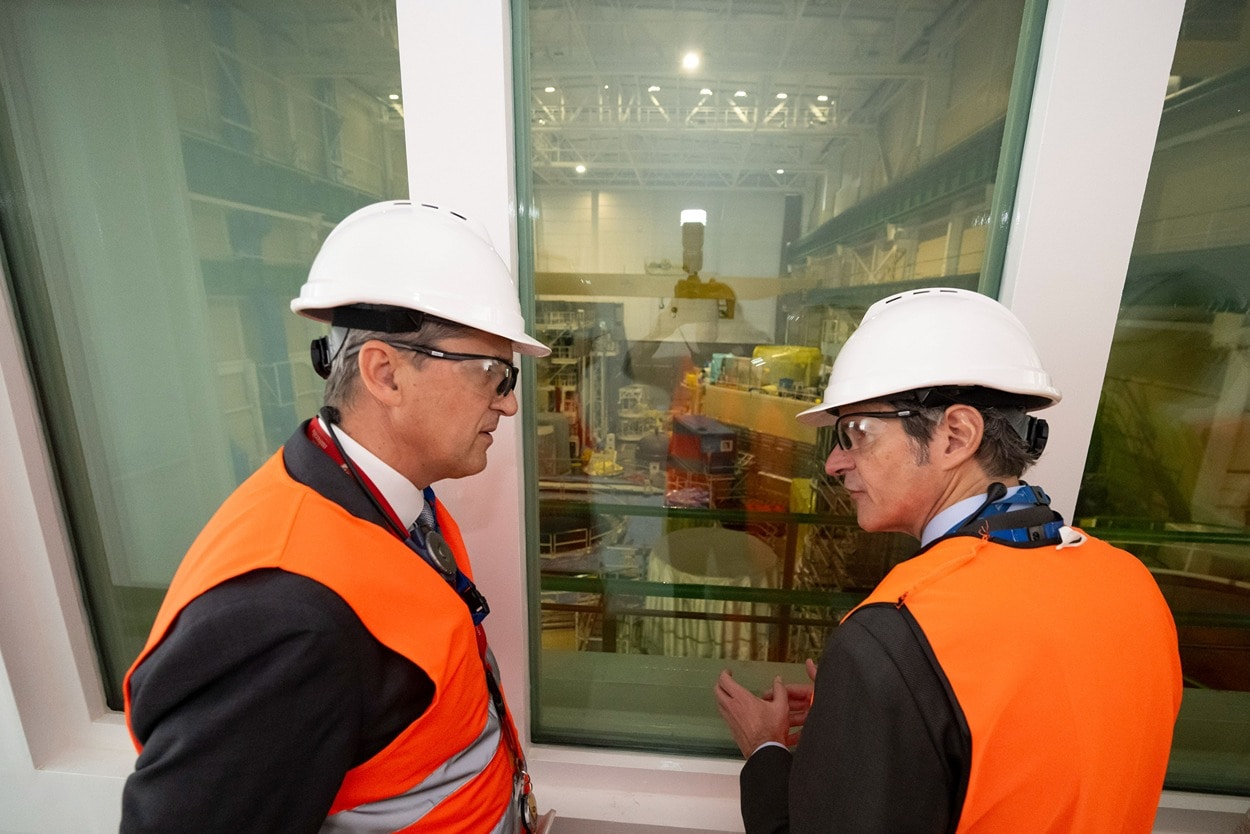
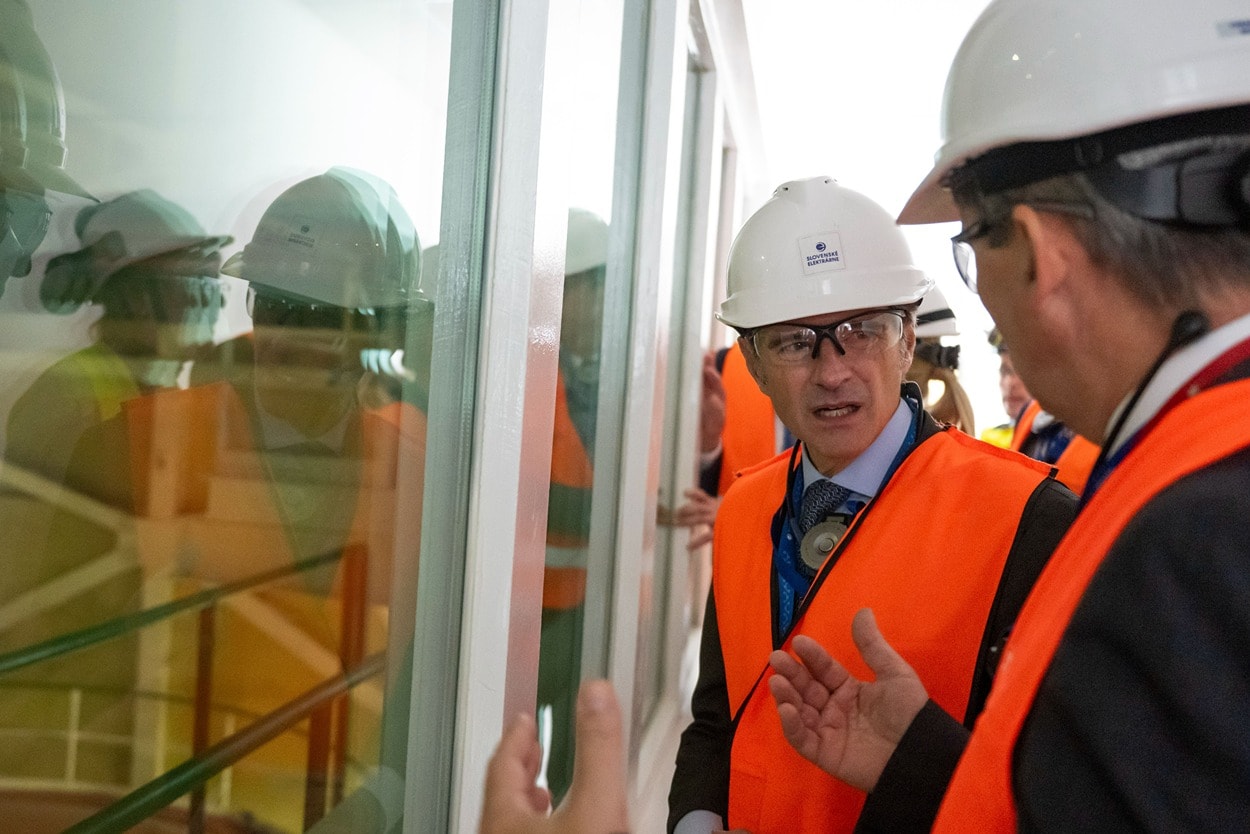
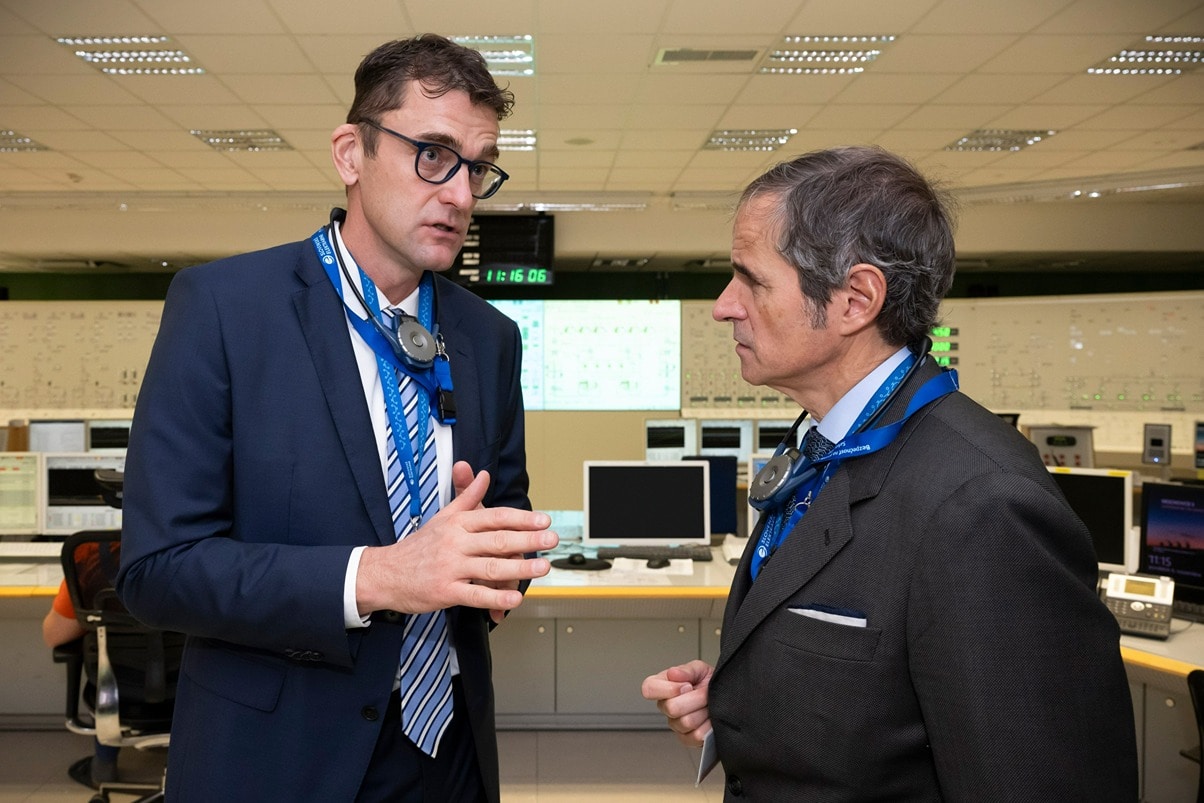
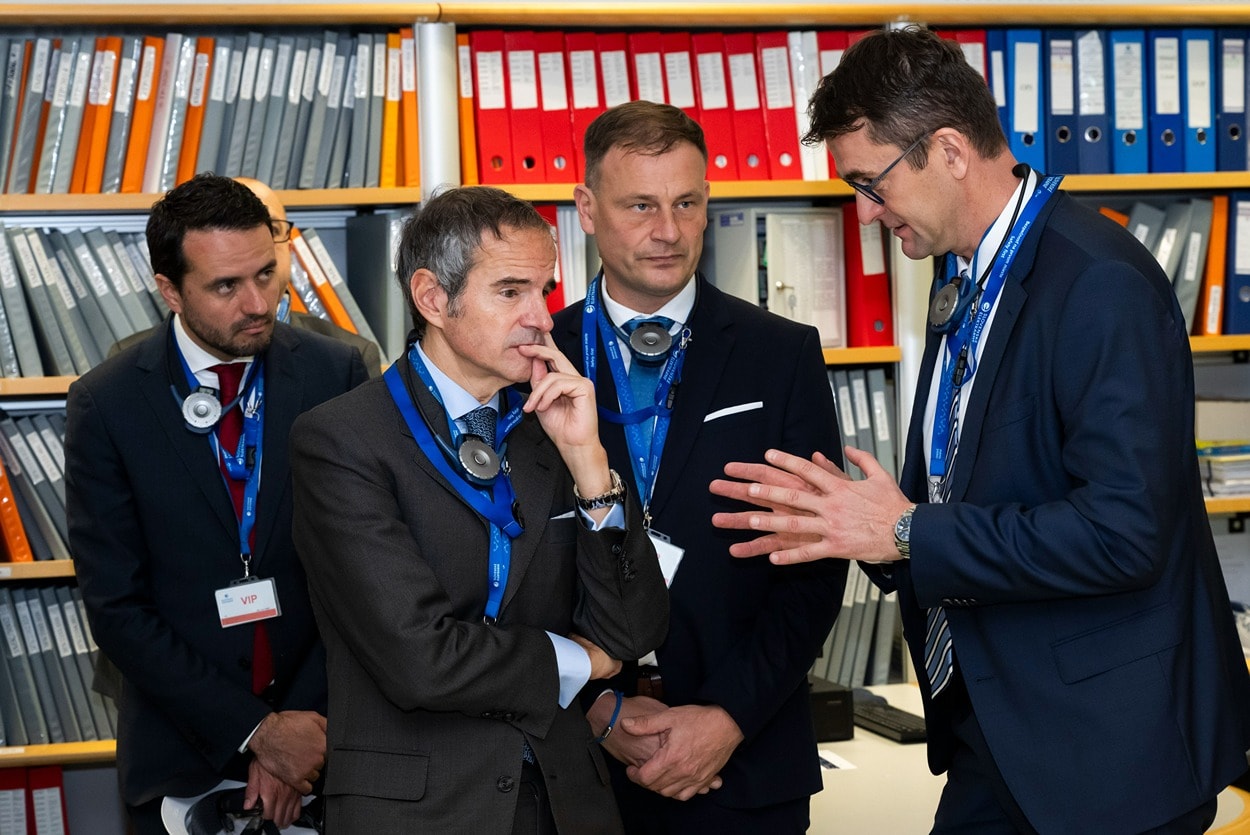
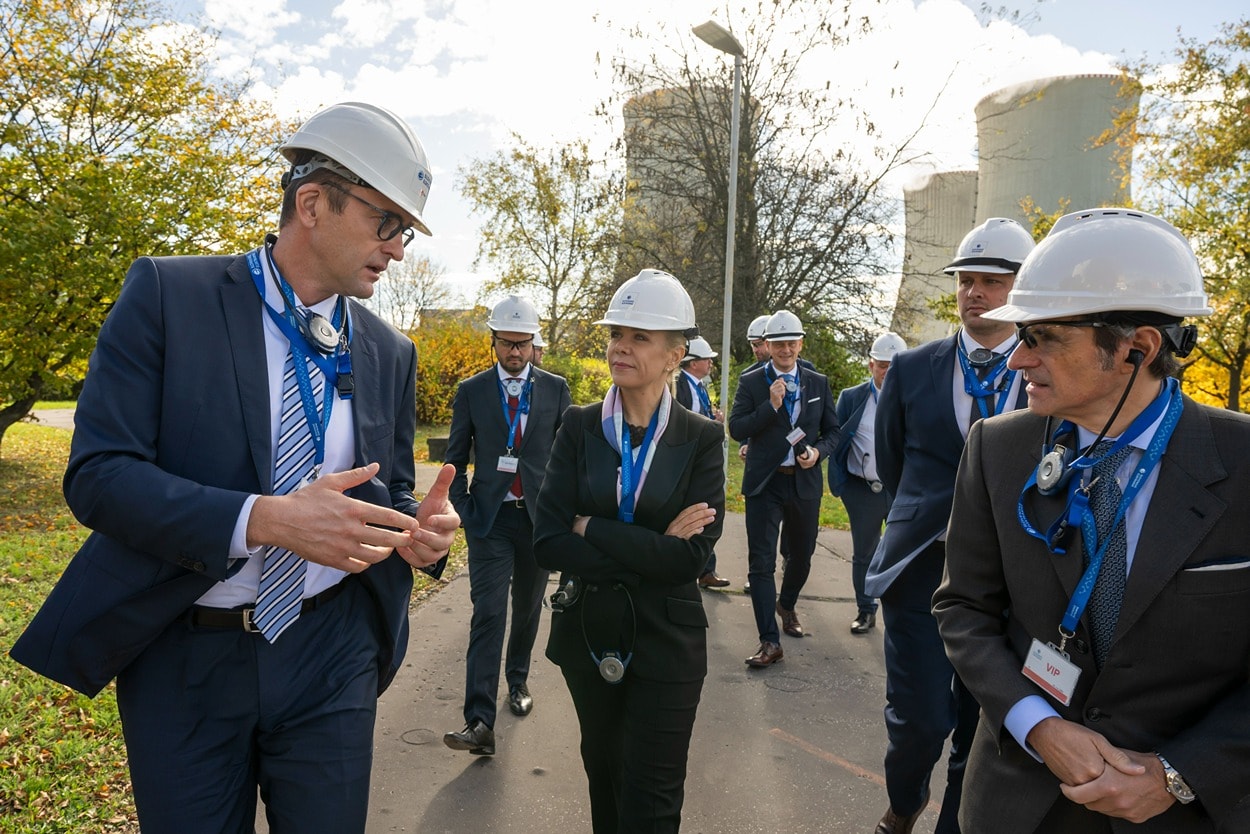
Missions of IAEA experts come to Slovak nuclear power plants on a regular basis, just on Monday, 6 November, such a mission has started in Bohunice. In the case of Rafael Grossi, however, it was the first visit of an IAEA Director to a Slovak nuclear power plant and the first visit of the highest representative of this international institution to Slovakia in ten years. Together with Denisa Saková, Minister of Economy of the Slovak Republic, and Marta Žiaková, Chairwoman of the Nuclear Regulatory Authority of the Slovak Republic, they visitied the turbine hall and the control room of Unit 3 and the premises of Unit 4 under construction.
"Mochovce produces clean energy for Slovakia, but also for the whole Europe. When the fourth unit starts up, you will be able to export it. It is a success story. The timetable allows us to assume that already in 2025 we will benefit from the energy produced by the fourth unit."
Rafael Grossi, Director of the International Atomic Energy Agency (IAEA)
The IAEA head believes that there is no universal solution in the energy sector that would be suitable for every country, but he is convinced that Slovakia made the right decision when it comes to nuclear power plants. "Nuclear energy plays a really important role for us in providing a stable, safe source of energy and especially a carbon-neutral source of energy. When complemented by variable renewable energy sources, it can help us contribute to solving global energy and climate problems," added Denisa Saková.
"The journey is not over, there are other challenges ahead of us, the completion and commissioning of Mochovce Unit 4, the implementation of the study on small modular reactors. Our goal is to continue investing in the technologies of the future in order to ensure sufficient energy and a sustainable future for the people of Slovakia and Europe."
Branislav Strýček, Chairman of the Board and CEO of Slovenské elektrárne, a.s.
Marta Žiaková, Chairwoman of the Nuclear Regulatory Authority, added at a joint press briefing that the IAEA plays an important role in the process of safe and secure commissioning of nuclear units. It is the IAEA that vouches the guarantee and security for nuclear material and its use for peaceful purposes. "I firmly believe that Slovakia will meet the standards of nuclear safety as it has done so far," M. Žiaková emphasized.
The International Atomic Energy Agency is an autonomous international organisation for cooperation in the field of nuclear technology, operating within the United Nations system and headquartered in Vienna, established in 1957. It has 178 member states.
The Agency serves member states in the pursuit of socio-economic objectives through the use of nuclear technology, science and applications for peaceful purposes, including the production of electricity and the use of nuclear applications for non-energy purposes. It facilitates the exchange and transfer of nuclear technology, scientific and technical knowledge in this field, as well as the building of expert capacity in the portfolio of peaceful uses of nuclear energy, thus contributing to sustainable development in the member states.