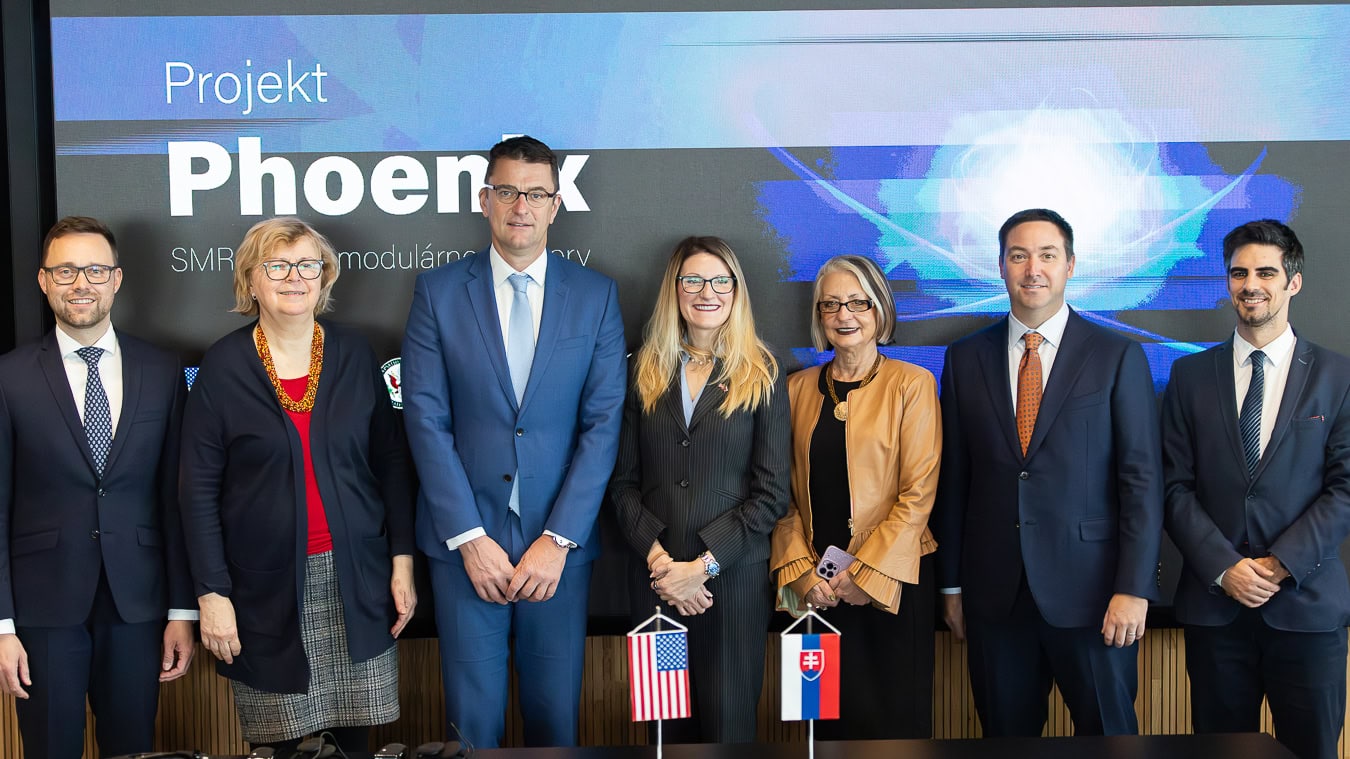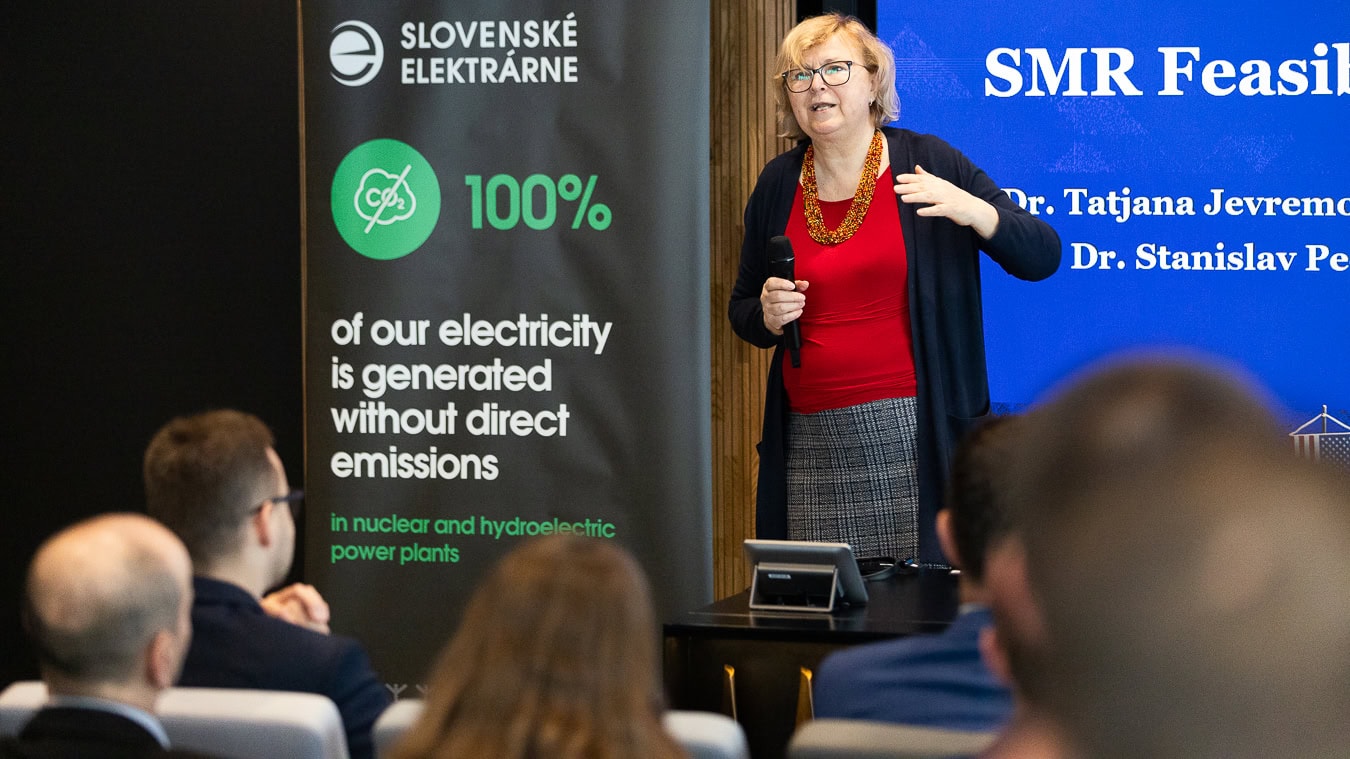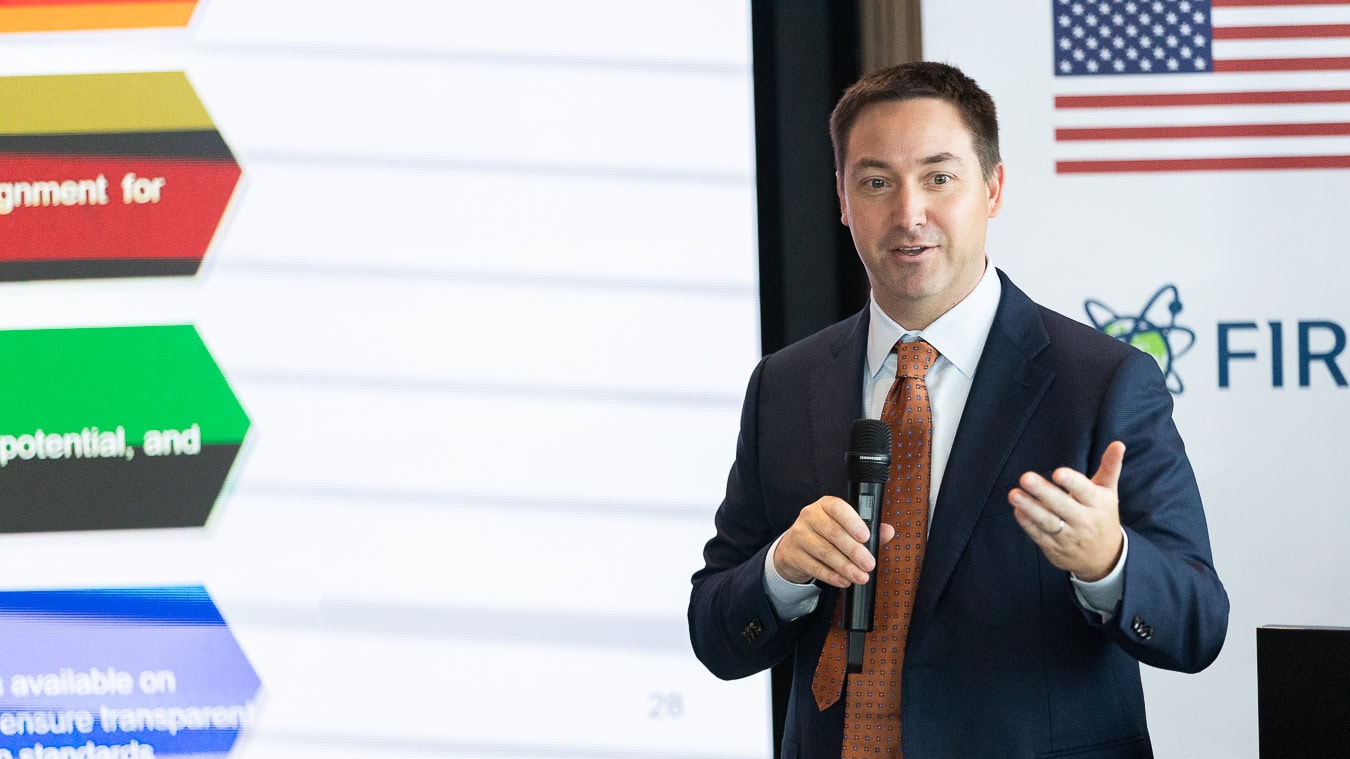

Slovakia completed its first comprehensive feasibility study on small modular reactors, titled Project Phoenix. The study was developed in collaboration with the international engineering firm Sargent & Lundy, the Ministry of Economy of the Slovak Republic, and Slovenské elektrárne, a.s., as a key technical partner. The project was supported by the U.S. Department of State’s FIRST program (Foundational Infrastructure for Responsible Use of Small Modular Reactor Technology), which promotes the safe and responsible global deployment of SMRs.
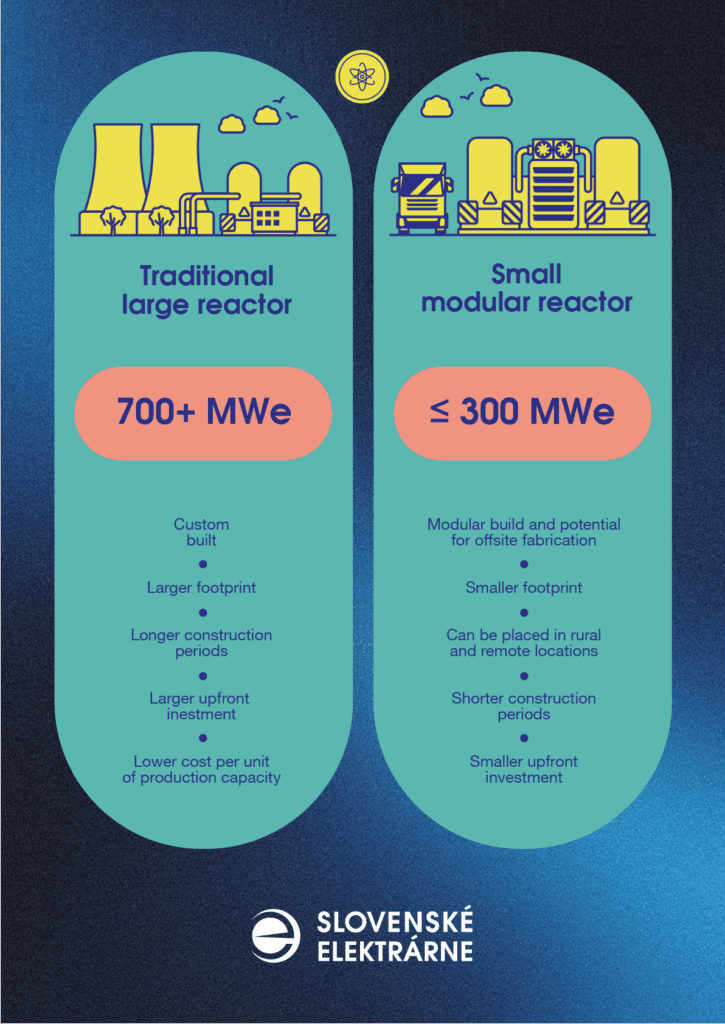
The study’s objective was to independently assess Slovakia’s technical, economic, environmental, and regulatory readiness for SMR deployment — reactors with an electrical output of up to 300 MWe.
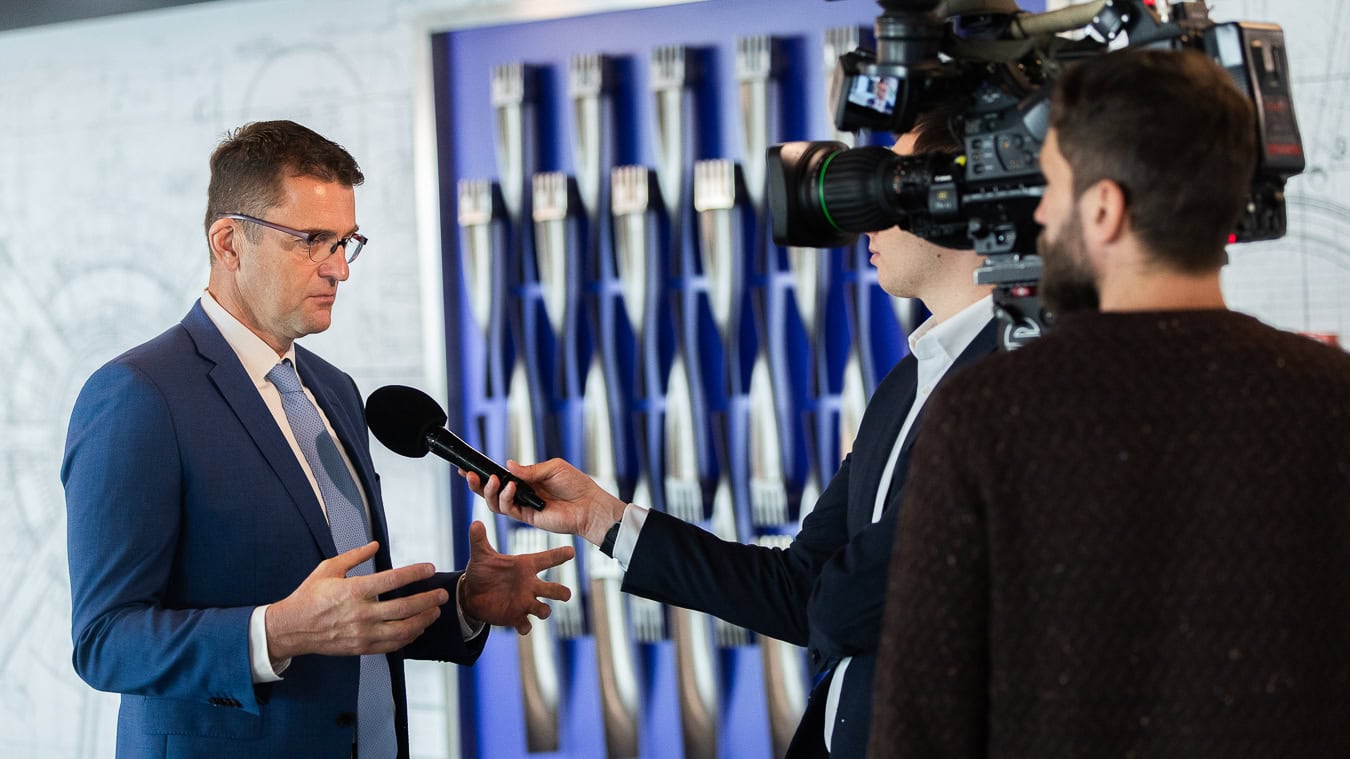
Small modular reactors represent a strategic opportunity for Slovakia. They can strengthen our energy security, support decarbonization, and bring new investment to the regions. The study confirms that we not only have suitable sites, but also the technical know-how and experience to build on. We are already thinking ahead — electricity demand is expected to rise in the coming years, and SMRs are one of the viable options we are seriously considering to meet that challenge.
Branislav Strýček, Chairman of the Board and CEO of Slovenské elektrárne.
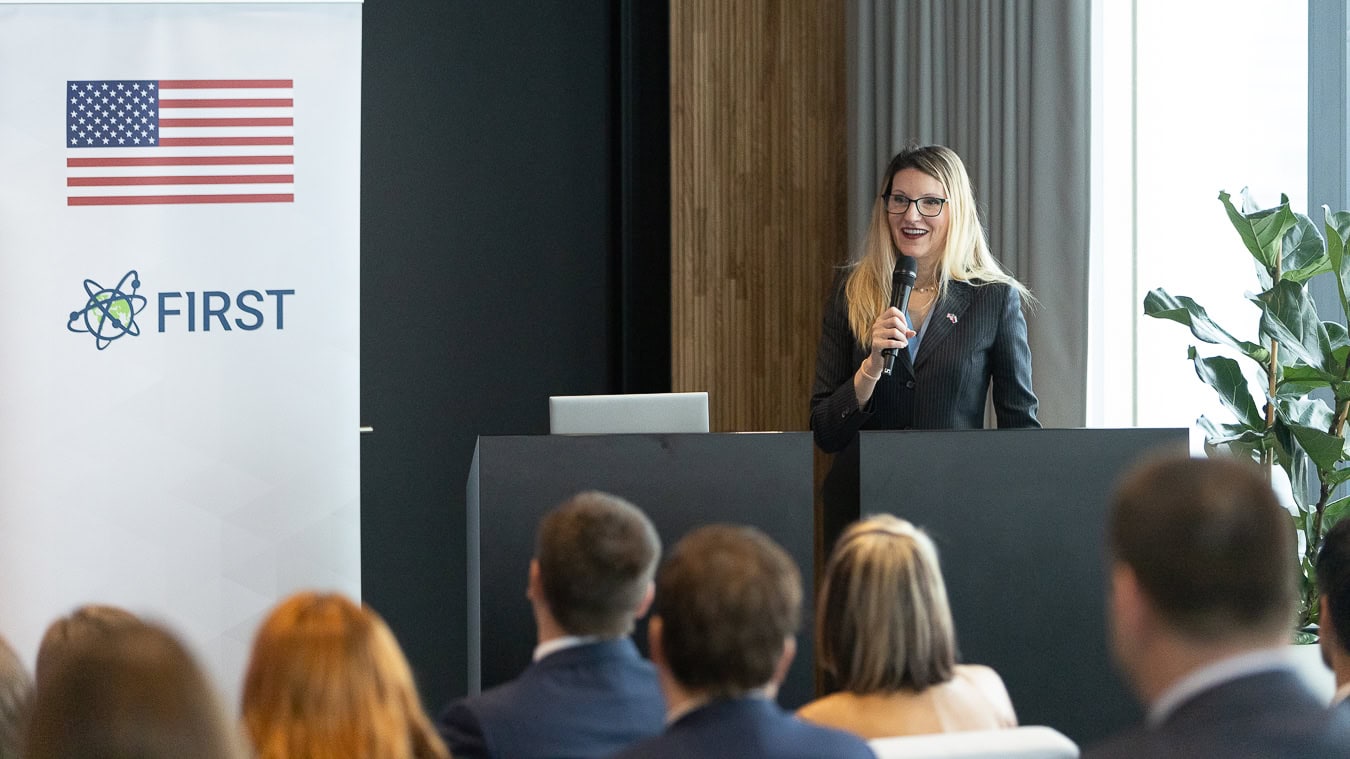
“Project Phoenix demonstrates Slovakia’s robust nuclear energy experience, infrastructure, regulatory framework, and industrial base provide a strong platform for early deployment of small modular reactor technologies under the highest international safety and security standards,” U.S. Deputy Chief of Mission Heather Rogers said. “We are delighted to support Slovakia’s efforts to strengthen energy resilience and shared prosperity and look forward to continued collaboration.”
Small modular reactors represent one of the options for how Slovakia can strengthen its energy sovereignty in the future and prepare for the growing demand for zero‑emission electricity. The study shows that by adhering to strict safety and regulatory conditions, Slovakia has the potential to join the countries that will assess this technology systematically and responsibly. “For the state, it is crucial that such decisions are based on expert analyses, international safety standards, and transparent dialogue with the public. I am glad that a new area of nuclear energy is taking shape in Slovakia, where we can make use of our many years of experience and thus also outline a clear direction for future generations of ‘nuclear experts’. Nuclear energy is experiencing its renaissance, and we must take timely steps — both in education and in preparing infrastructure, as well as in promoting support for nuclear energy across all platforms — so that we can then share the benefits of nuclear energy production at both the national and regional levels,” said Szabolcs Hodosy, First State Secretary of the Ministry of Economy of the Slovak Republic.
The study evaluated over 100 parameters based on recommendations from the International Atomic Energy Agency (IAEA), including external risks, geological conditions, environmental and safety factors, and site suitability. Four specific locations were assessed — Bohunice, Mochovce, Vojany, and U. S. Steel Košice — based on seismic stability, water availability, grid connectivity, and environmental impact. All four sites met the baseline criteria for SMR deployment. In parallel, the study reviewed advanced SMR designs from leading global vendors. Several of these technologies were found to be technically compatible with Slovak conditions and compliant with international safety standards.


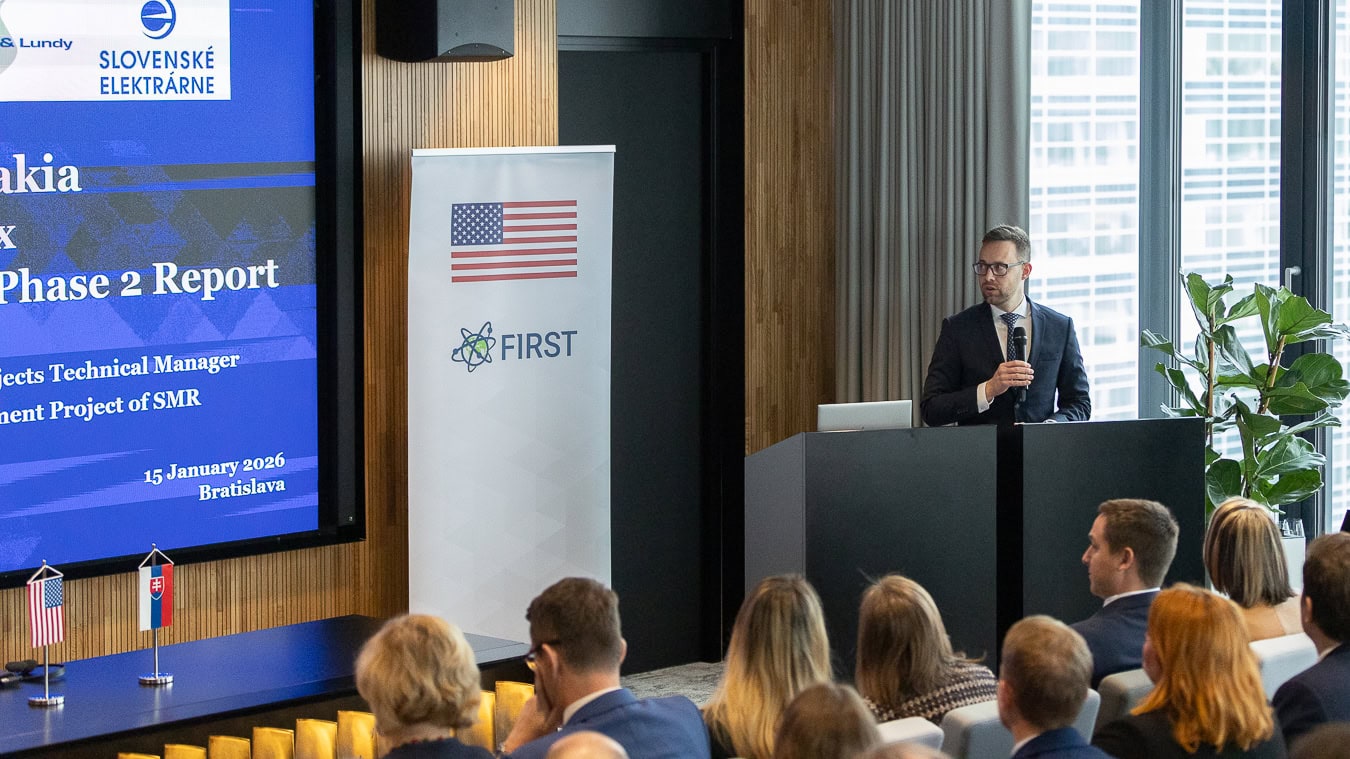
“Sargent & Lundy conducted this SMR feasibility study for Slovakia in accordance with the highest international standards for nuclear power plant development. The report affirms that Slovakia is strategically situated to deploy SMRs, with several mature, safe, and secure SMR technologies available that align with the country’s needs and goals. All candidate sites assessed are viable, and Slovakia is primed to take the next steps should they choose to proceed” said Joshua Best, senior manager at company Sargent & Lundy.
Slovenské elektrárne views SMRs as a complementary solution to existing nuclear and renewable energy sources. The study recommends developing a tailored regulatory framework, conducting detailed site investigations, and continuing engagement with technology vendors. Public involvement and transparent communication will be essential throughout the process.
“Our goal is to foster an open dialogue with the public and the expert community. Decisions about the future of energy must be grounded in facts, trust, and broad societal consensus,” added Strýček.
The study marks a significant milestone in shaping Slovakia’s energy future. Within the next 10 to 15 years, SMRs could become a safe, clean, and economically viable addition to the country’s energy mix.
Small modular reactors (SMRs) are a new generation of nuclear power plants, typically with an electrical output of up to 300 MWe. Unlike traditional large-scale nuclear reactors, SMRs are designed as compact, factory-fabricated units that can be deployed more quickly, flexibly, and cost-effectively. They incorporate advanced safety features, including passive safety systems that can automatically cool the reactor without external power or human intervention. SMRs are seen as a promising solution for countries seeking to reduce emissions, strengthen energy security, and replace fossil fuel-based generation.
With a share exceeding 60% of total electricity production in Slovakia, Slovenské elektrárne, a.s. is the country’s largest electricity producer. Since shutting down its last coal-fired power plant at the end of Q1 2024, all electricity generated by the company is free of direct CO₂ emissions. It operates 5 nuclear reactors, 31 hydropower plants, and 2 photovoltaic plants.
The company’s commitment to producing electricity from low-carbon sources makes it a leader in sustainable energy production in Central and Eastern Europe. The company has been listed four times in the prestigious Europe’s Climate Leaders index, published since 2021 by The Financial Times and Statista.
Slovenské elektrárne, a.s. has two shareholders. Slovak Power Holding B.V. is the majority shareholder with 66%. (SPH), which is owned by the Czech energy group Energetický a průmyslový holding (EPH). The other shareholder is the Slovak Republic, holding a 34% stake in the company.