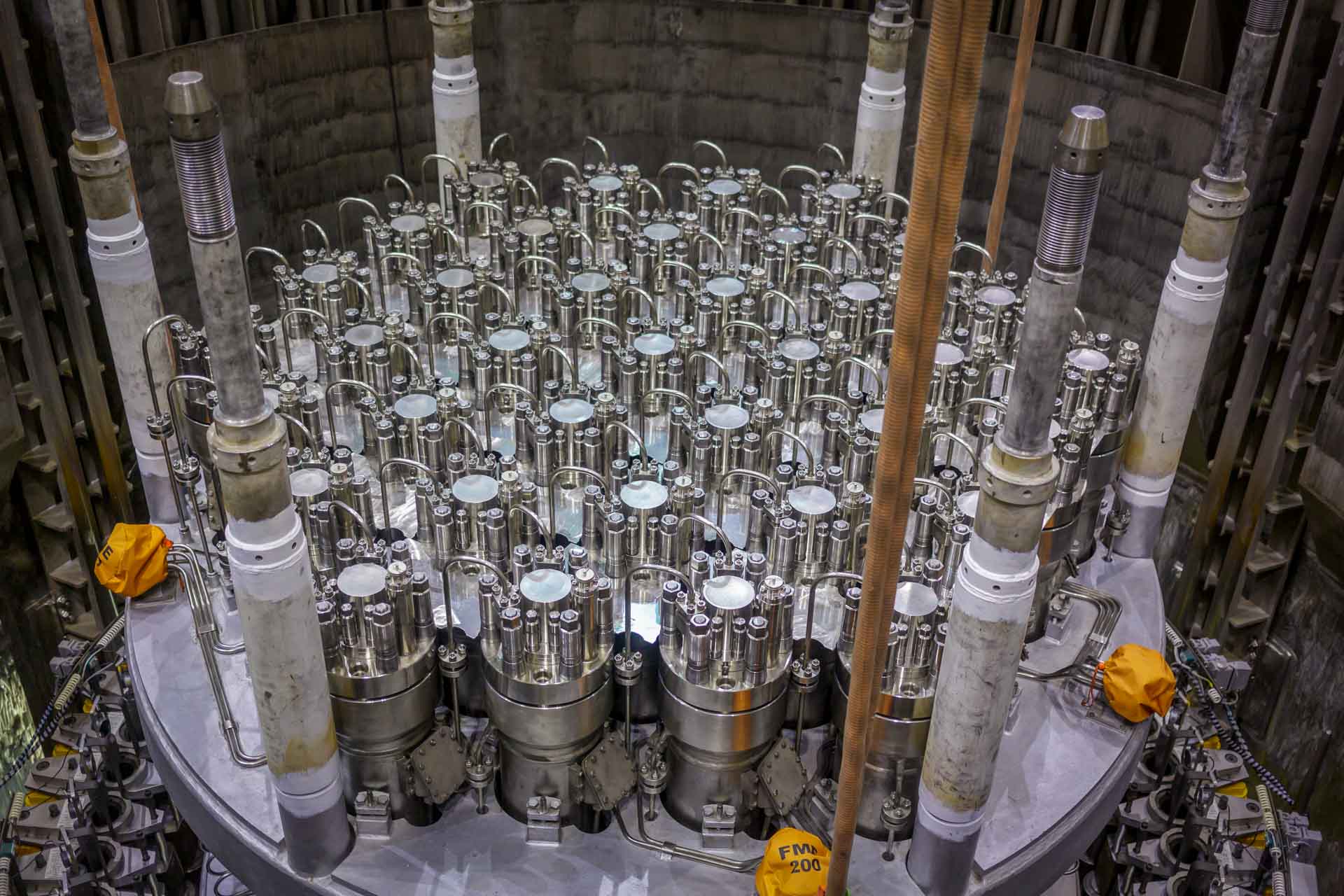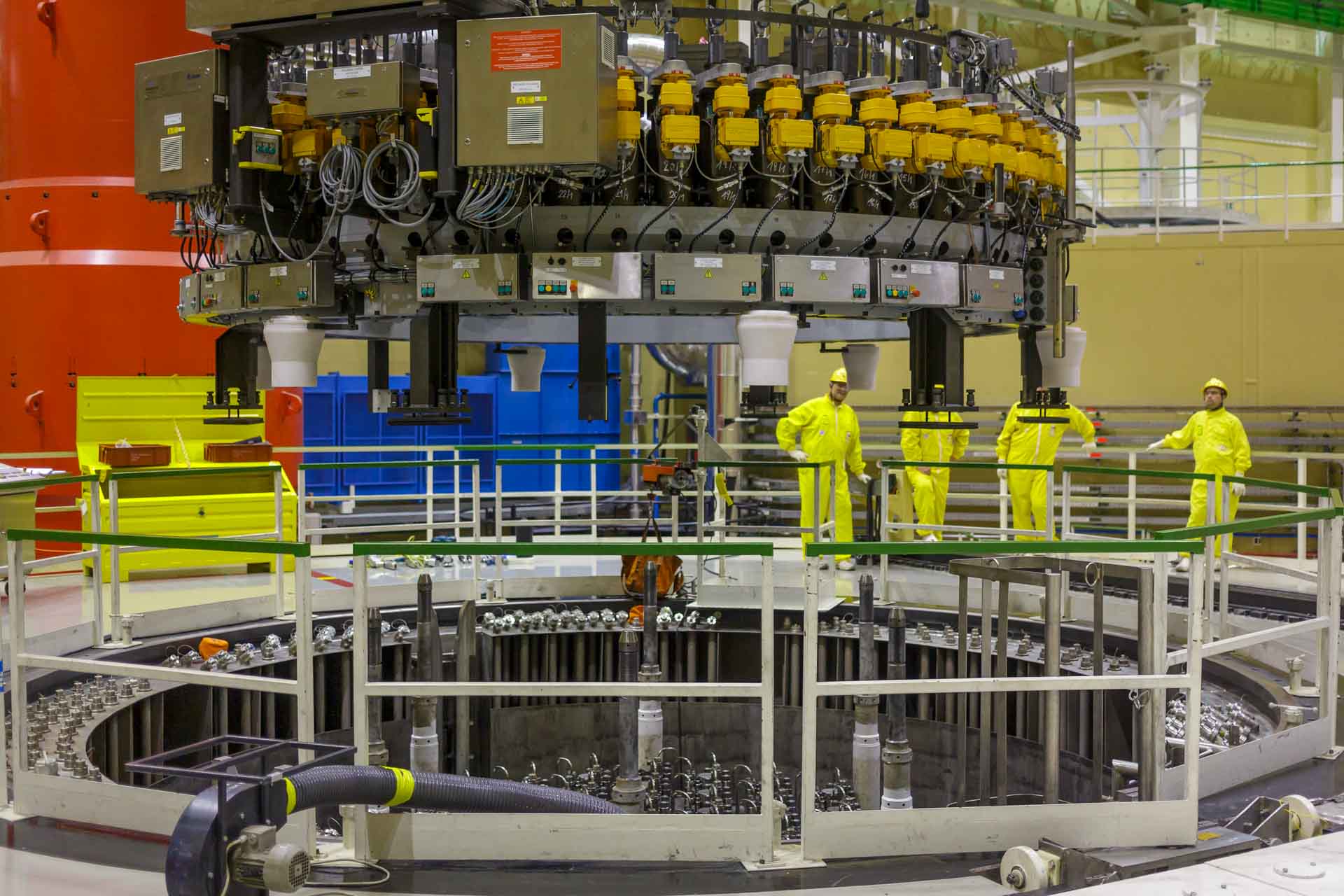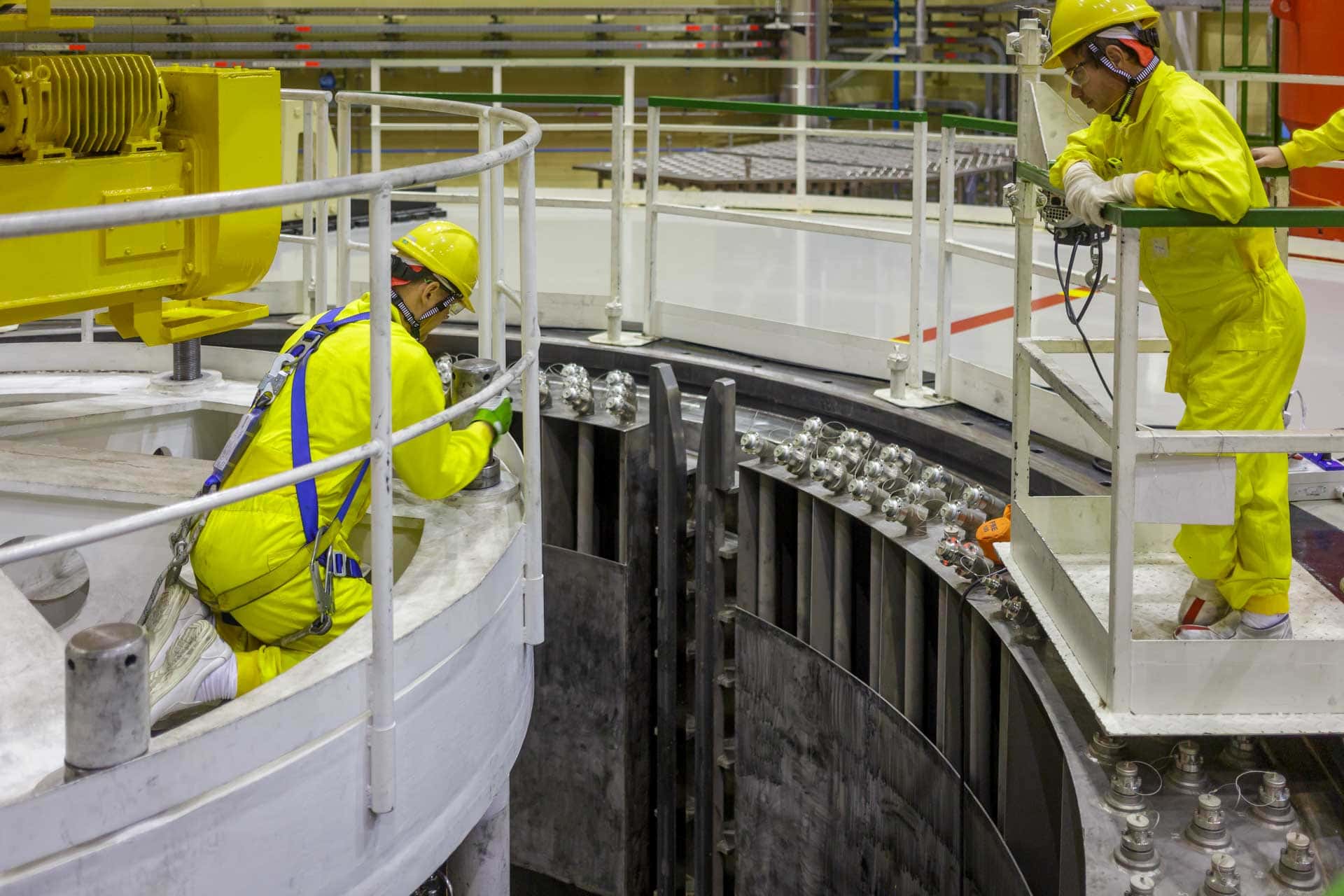

When putting the reactor unit into operation, it is always necessary to dismantle and close the reactor after loading the fuel. Slovenské elektrárne is proceeding with the commissioning of the new unit according to schedule. “After closing and sealing the reactor vessel, we pressurised the primary circuit to 0.5 MPa and deaired the entire system. As part of the deairing, we also performed the first inspection of the integrity of the boundary of the primary circuit. This was followed by a pressure test at 2.5 MPa, which is the first opportunity for checking the primary circuit at higher pressure, but also the last opportunity for checking its tightness when cold,” explained Marek Podolec, manager of operation management of the NPP Mochovce Units 3 and 4.
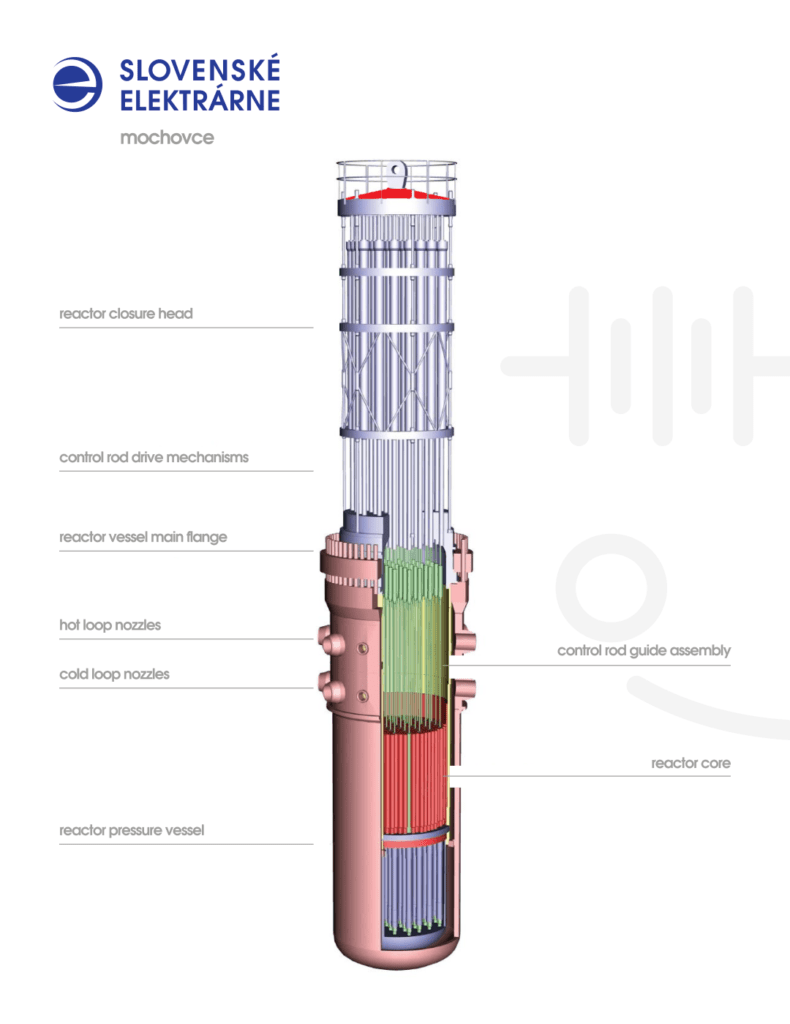
The reactor consists of several parts, which are gradually and very precisely placed on top of each other in the reactor shaft:
Slovenské elektrárne loaded a control rod guide assembly to the reactor core basket, in which the fuel assemblies are positioned. In it, boron absorbers are placed on 37 emergency, reactor control rods, which are used to regulate the fission reaction in the reactor. When you slide the assemblies from the top to the bottom position, the reaction stops. Conversely, pulling them out increases the reactivity.
The new reactor was covered by the reactor closure head and tightened with 60 reactor closure head studs.
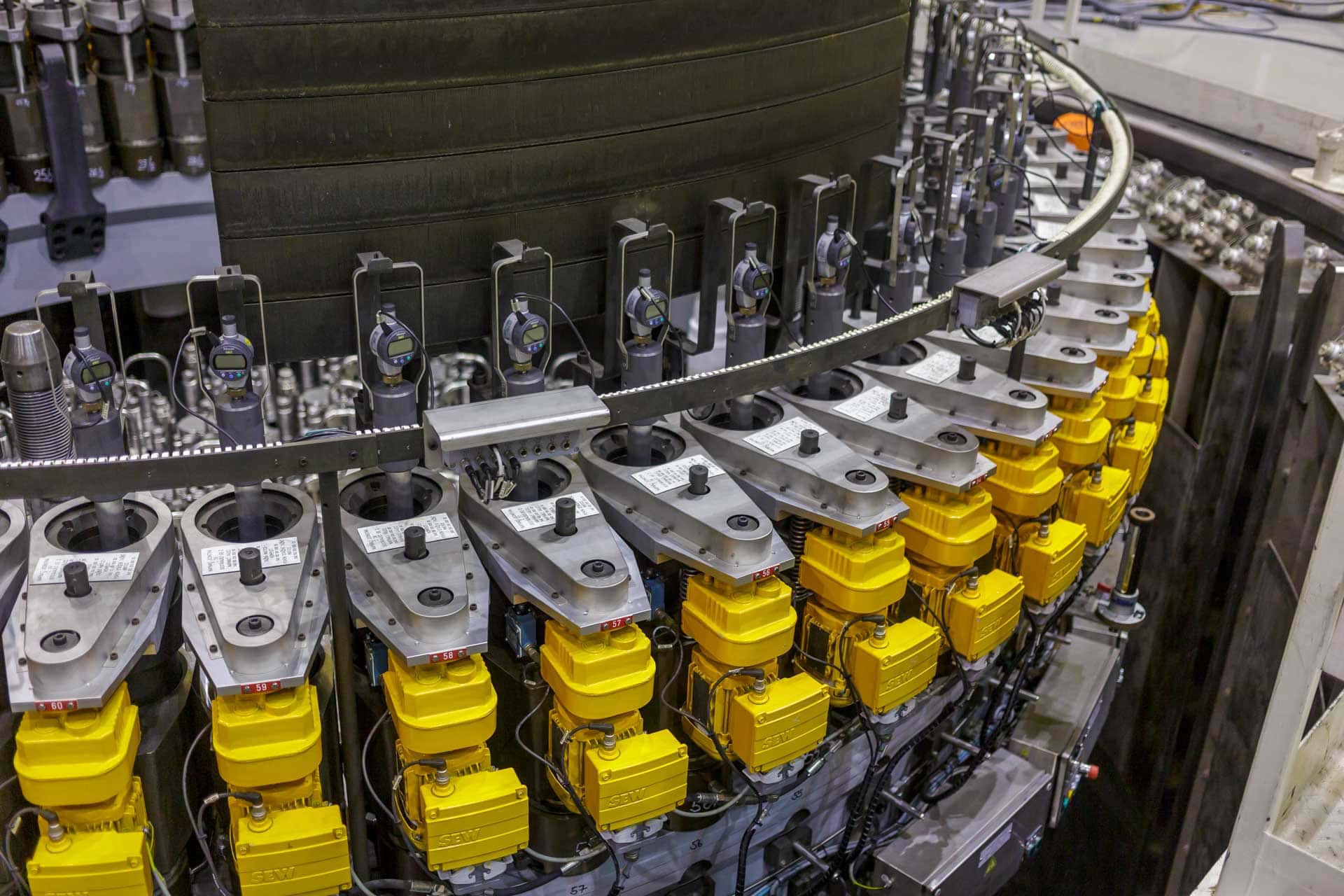
After increasing the medium level in the primary circuit, which is a mixture of water and boric acid, it was possible to connect the control rod drive mechanisms to the control rods themselves.
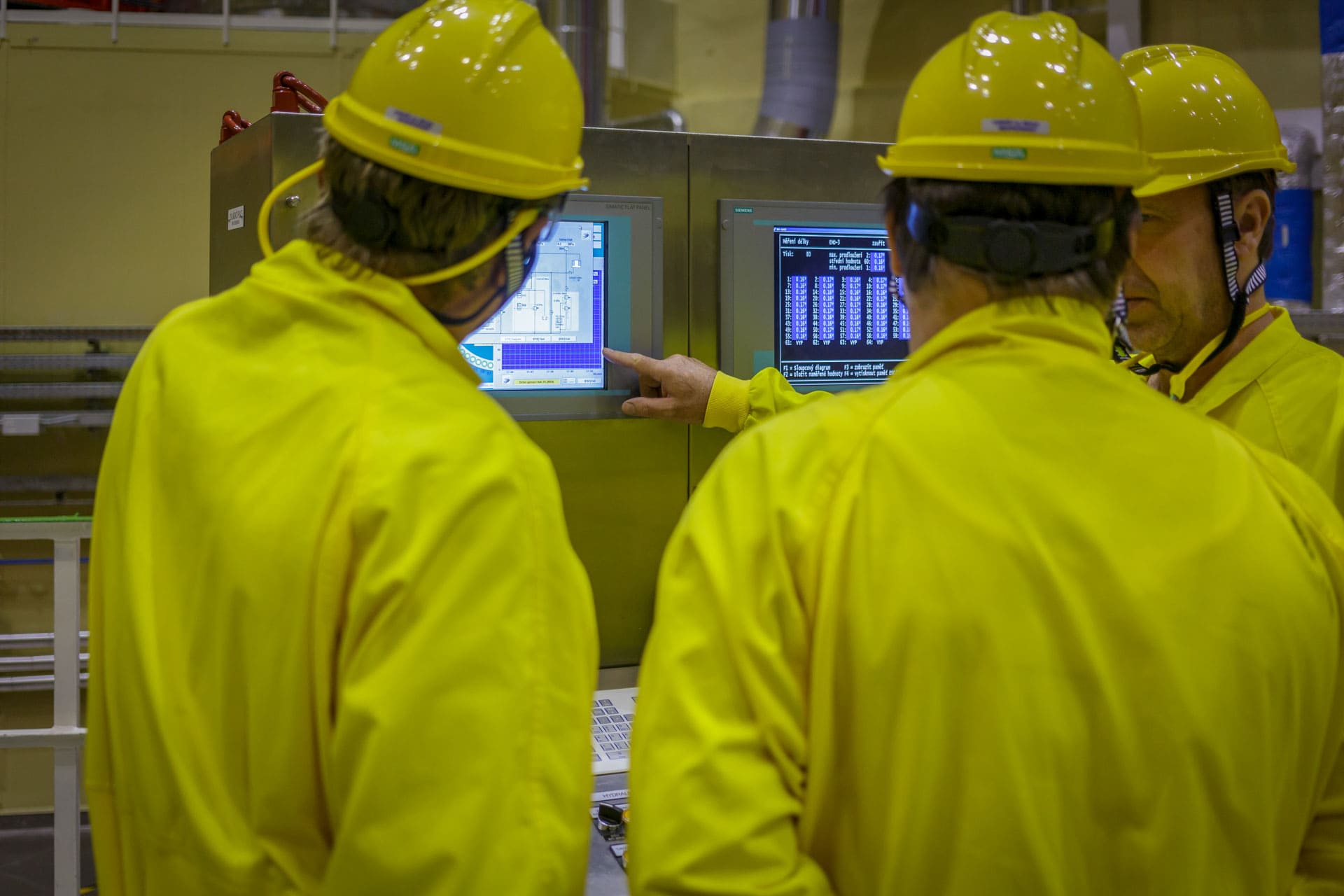
Engagement of the control rod drive mechanism and smooth running of the reactor control rods was measured by raising each assembly to its upper end position and measuring its smooth running without stalling. This is how all 37 reactor control rods were tested.
In order for the reactor operators to know the exact position of each reactor control rod during operation, 37 position indicators still had to be installed on the control rods drive mechanism, thus completely closing the reactor, and thus the unit went into mode 5 (cold shut down), which means a sealed reactor in a cold state. After the reactor was assembled, it was closed with a lid (the so-called “kolpak”) in the hermetic zone, meaning the containment.
Slovenské elektrárne started commissioning NPP Mochovce Unit 3 into operation on September 9, when it started loading nuclear fuel. After completing the fuel load, on September 12, the company proceeded to assemble the reactor, which was finished on September 20. The next milestone is the pressure and tightness tests of the reactor and the containment, the achievement of the critical state and the physical escalation tests. All these steps are part of so-called physical escalation, which takes about six weeks.
In the next phase – the power escalation – the reactor output is gradually increased, and a number of tests are carried out. Again also testing such situations that the power plant would never experience in normal operation. The power level is gradually escalated until finally the reactor reaches 100 percent power output. Only in this second phase of commissioning will the first megawatt-hours from the new Mochovce unit enter the Slovak grid, and electricity produced without carbon dioxide emissions will light up bulbs in households throughout Slovakia for the first time.
The start-up is completed by a 144-hour trial run of the Mochovce Unit 3 at its full capacity. From the point of view of electricity production, Slovakia will become energy self-sufficient as early as 2023. The service life of the new unit is planned for at least 60 years.