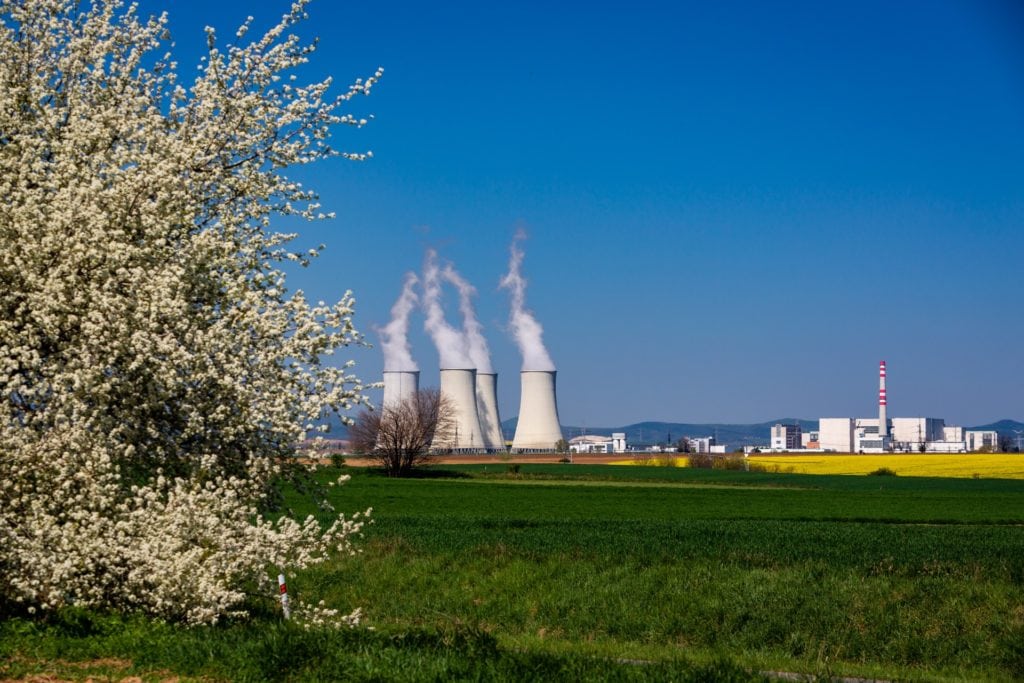
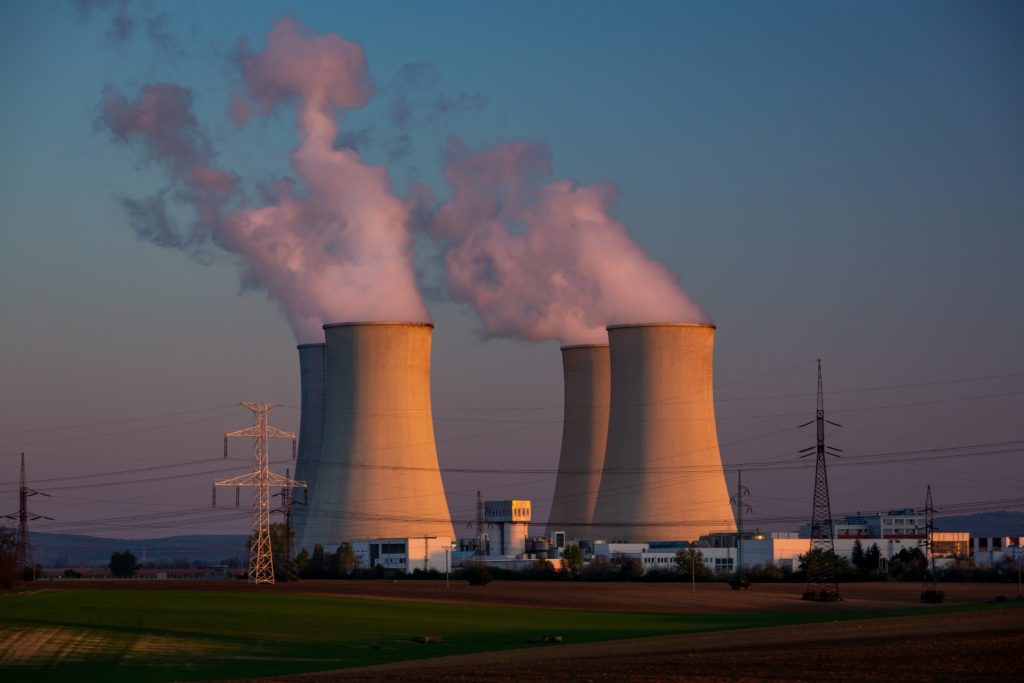
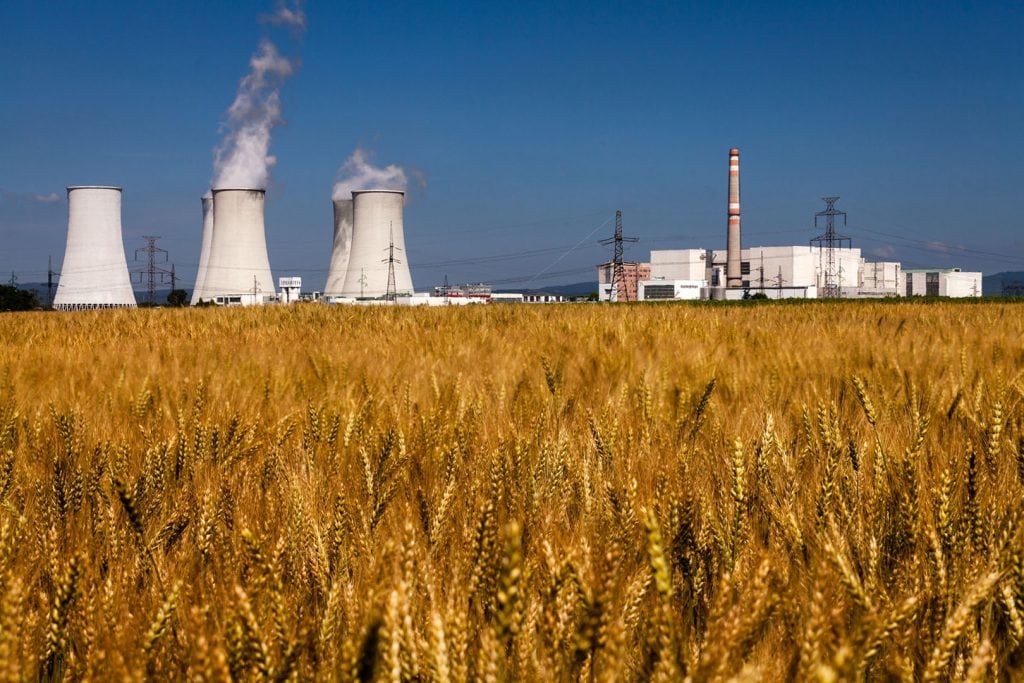
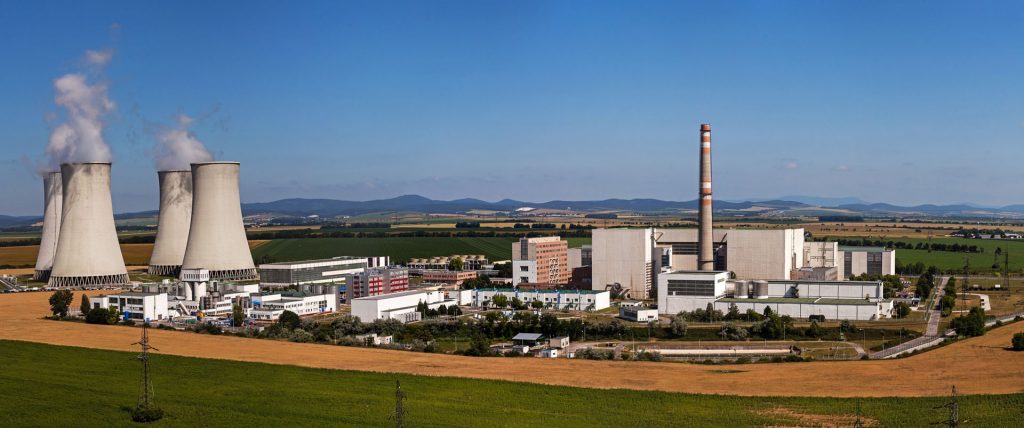
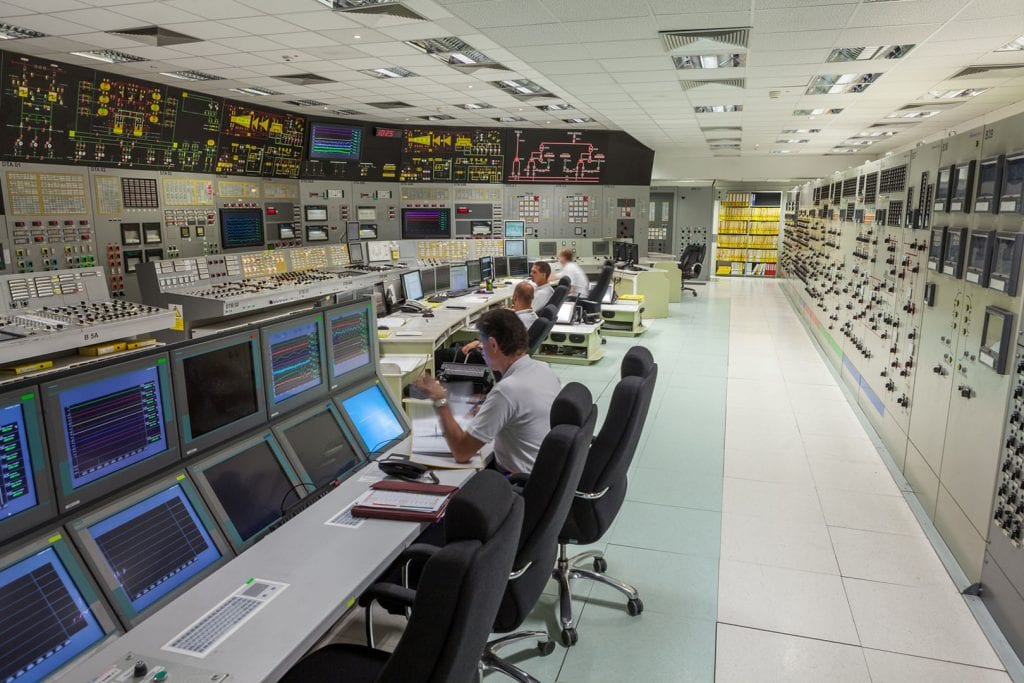
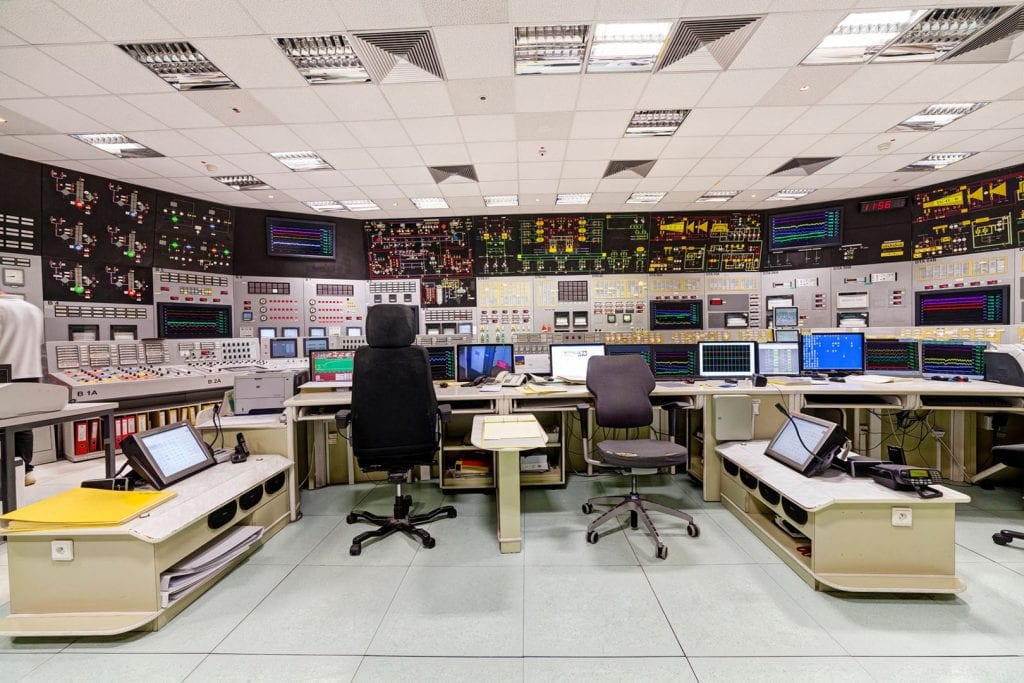
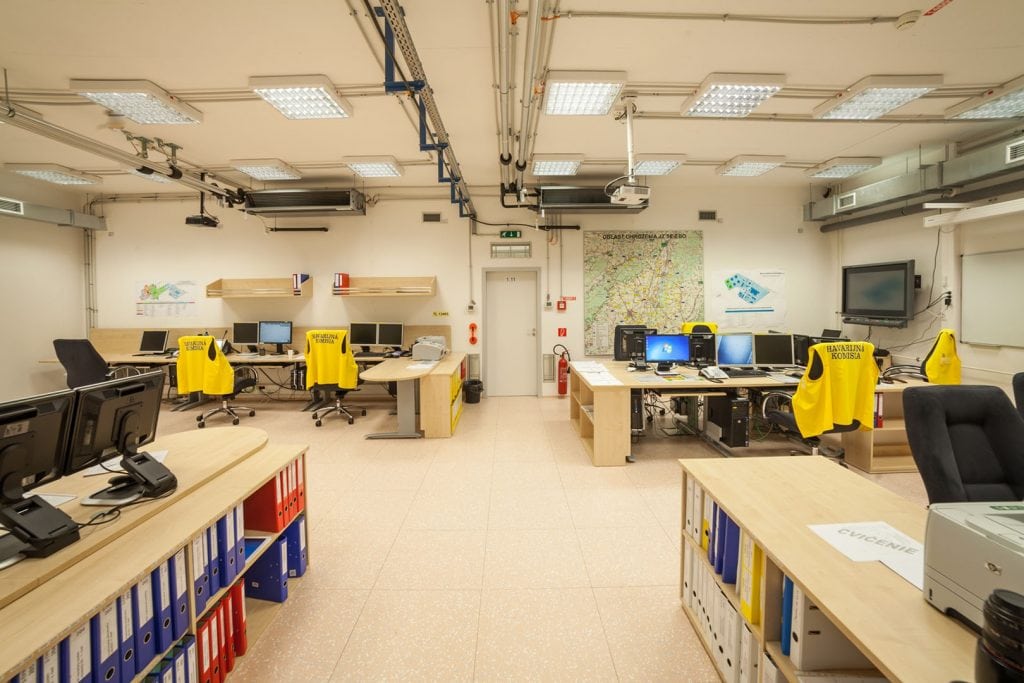
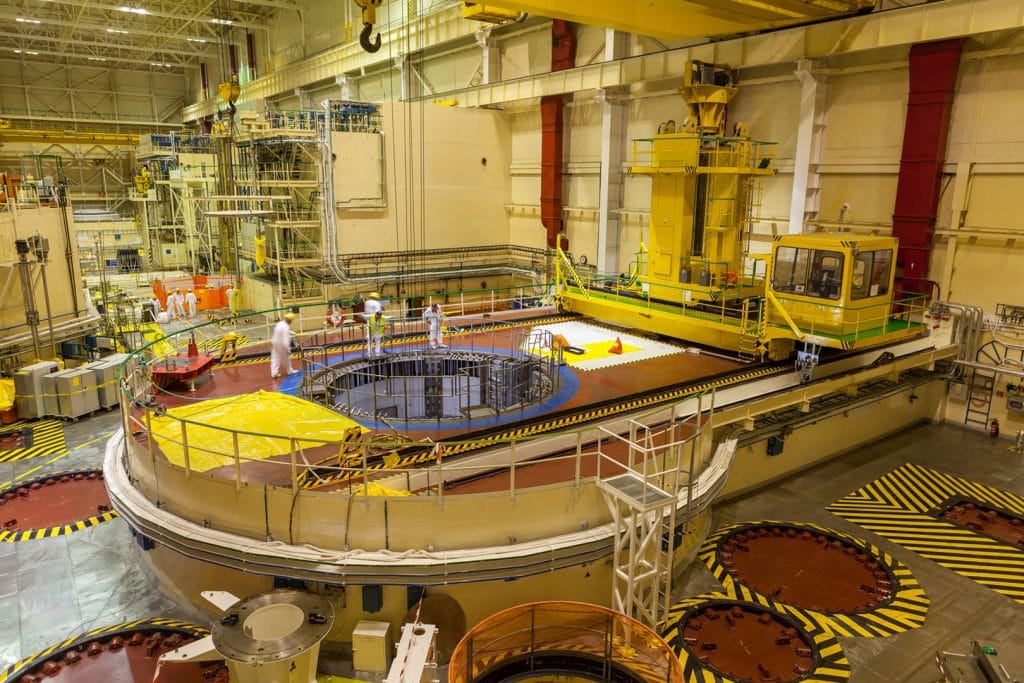
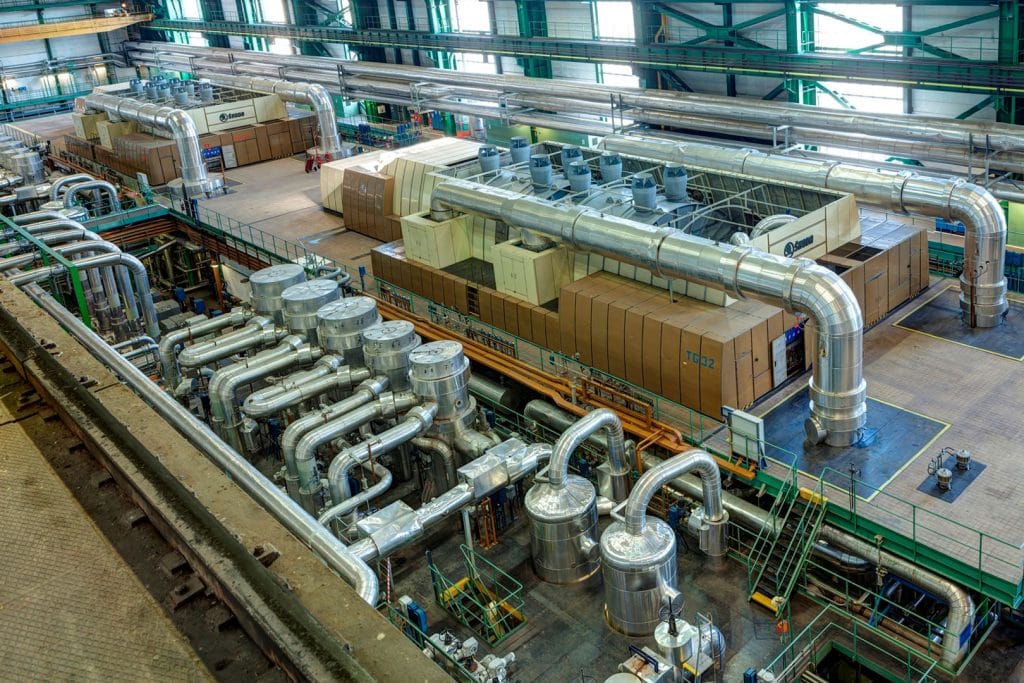
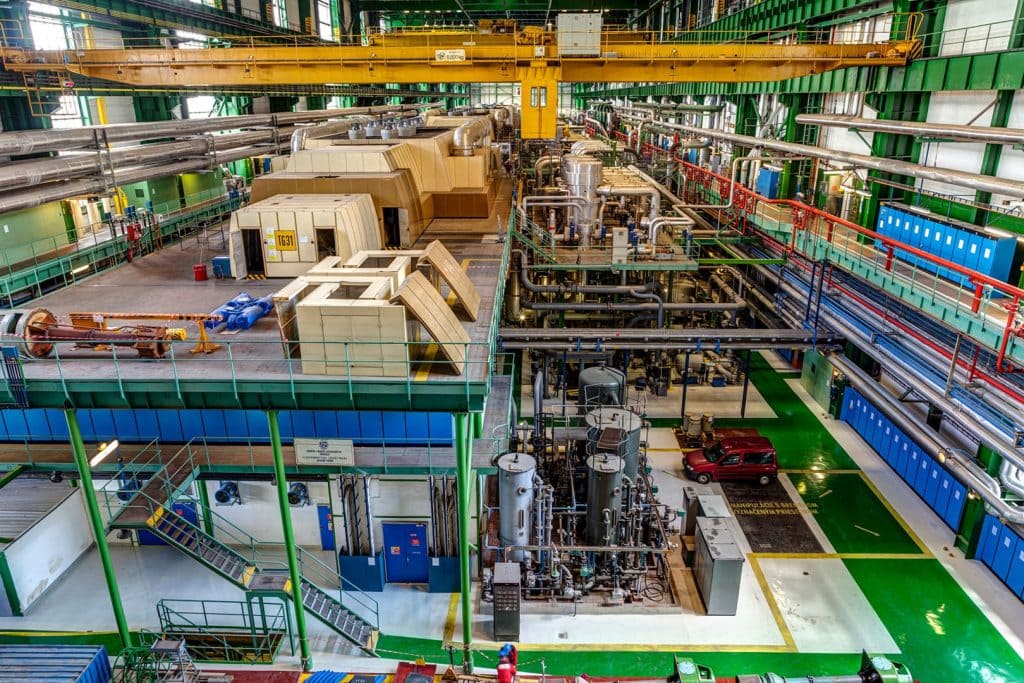
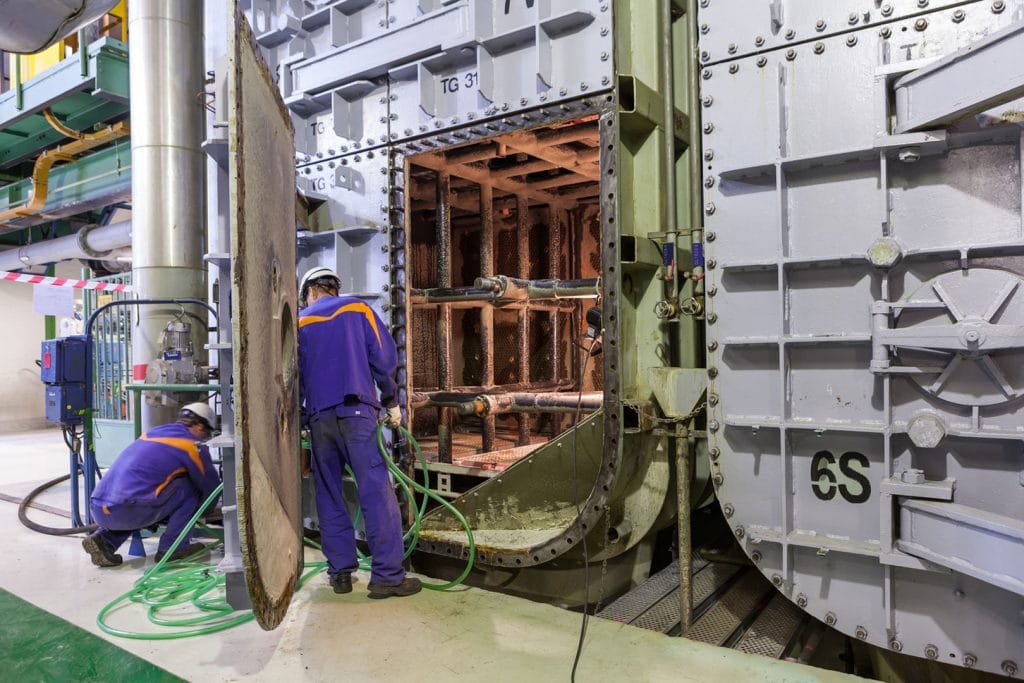
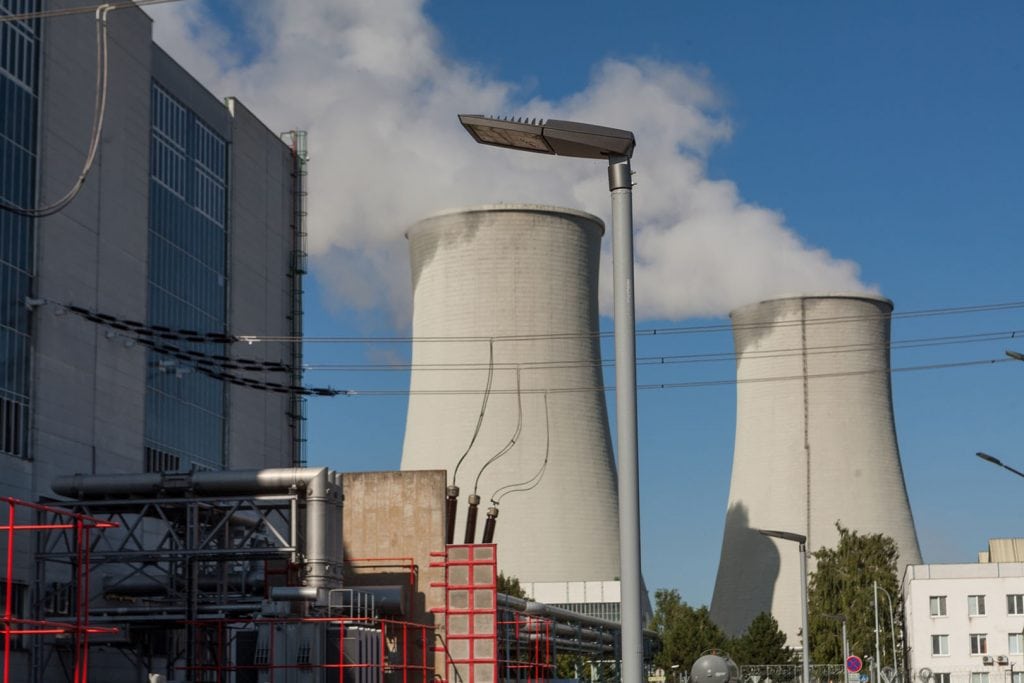
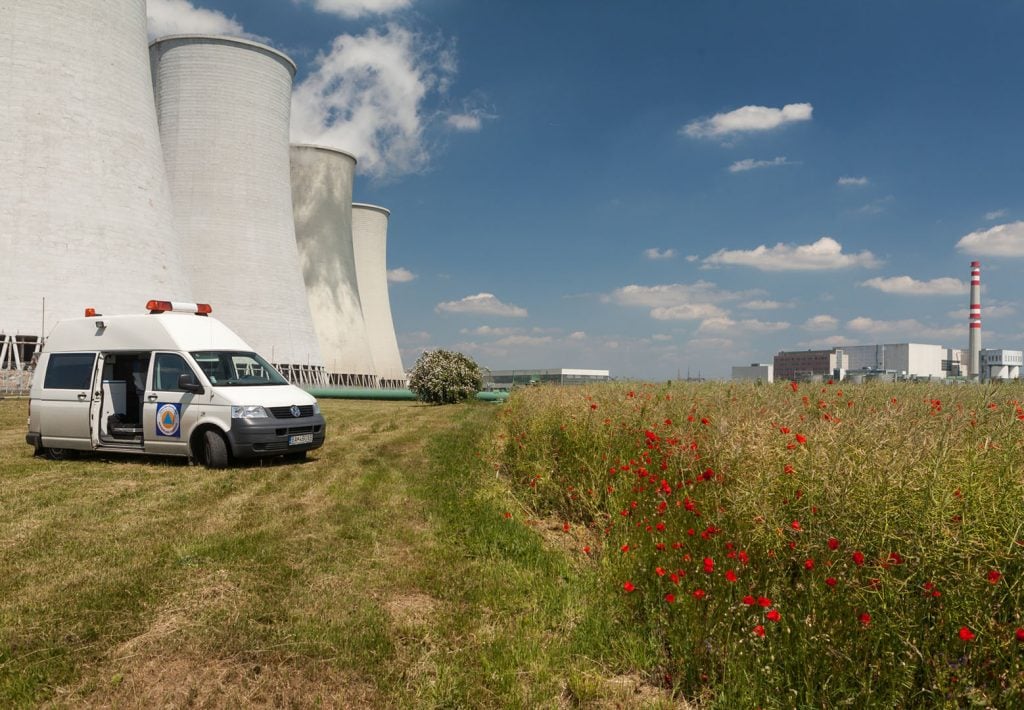
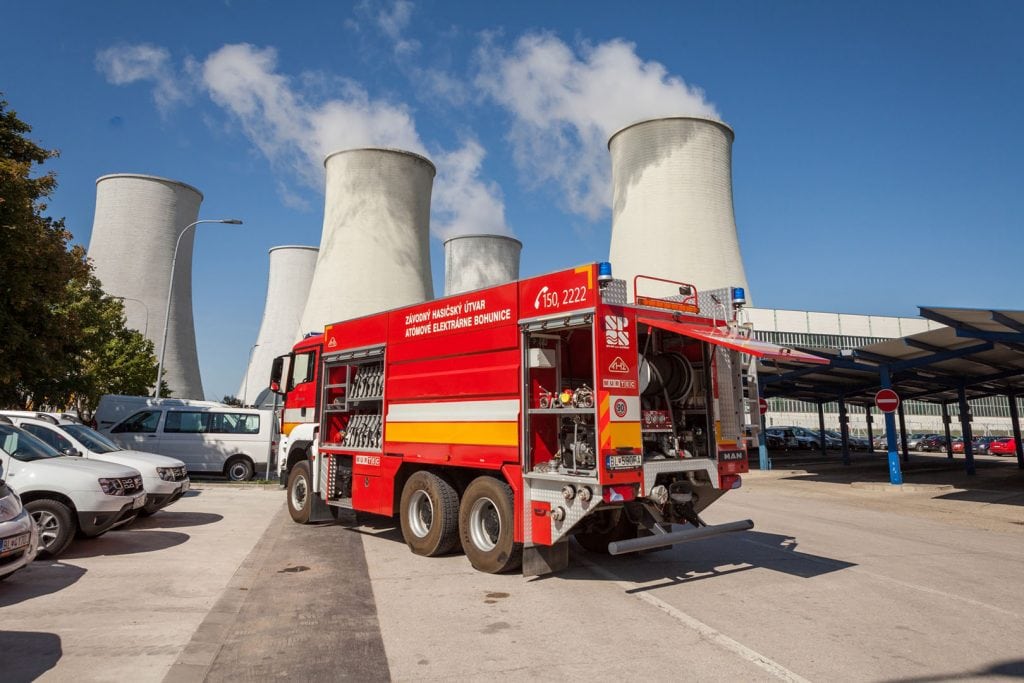
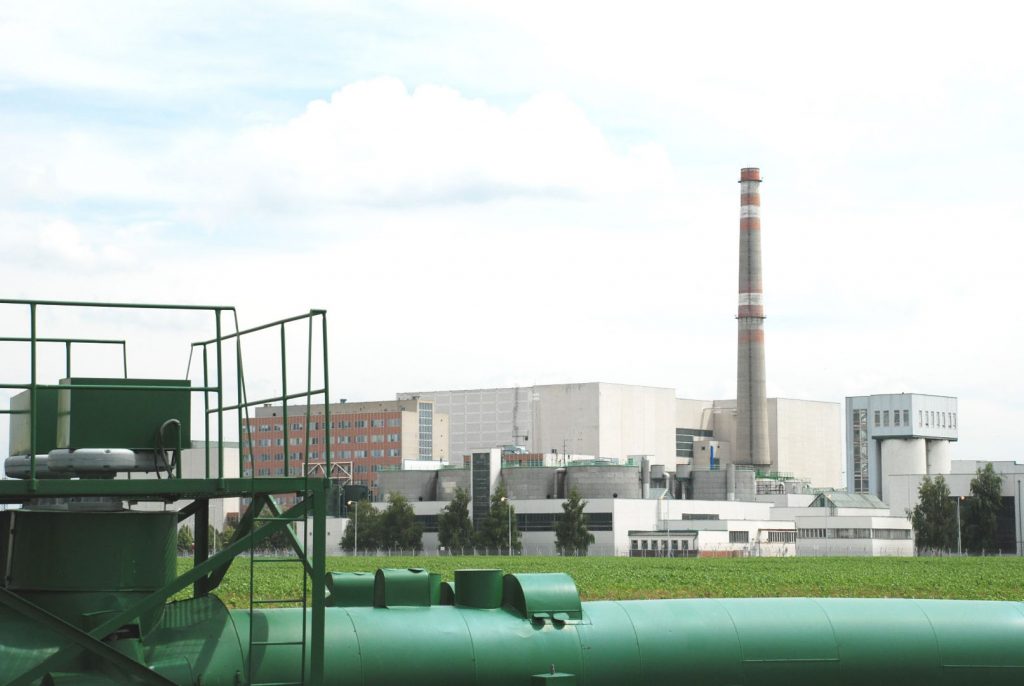
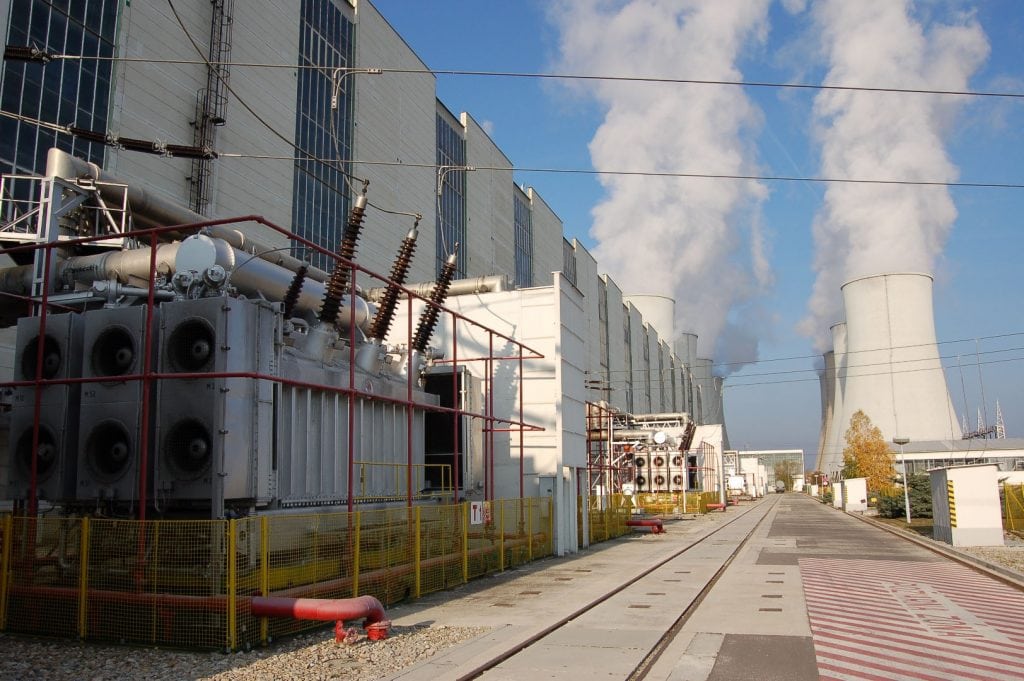
Bohunice V2 Nuclear Power Plant is located in Western Slovakia near to Trnava. Electricity is generated there in two units with VVER 440/V-213 pressurised water reactors, which were commissioned in 1984 and 1985 respectively.
The V2 power plant changed to combined generation of electricity and heat after building up the centralised heat supply system from Bohunice NPP to Trnava in 1987. Detour from the Trnava heat supply line also heats Leopoldov, Hlohovec and Jaslovské Bohunice.
Since 2000 a modernisation programme amounting to 500 mil. eur was implemented at V2 units, and was completed in 2010 by power increase up to 505 MWe (gross) per unit.
After 30 years of safe and reliable operation, the Units 3 and 4 of Bohunice NPP have been in long-term operation since 2014. It was preceded by a process of approval by the Nuclear Regulatory Authority of the Slovak Republic, with involvement of stakeholders, including touched municipalities and non-governmental organisations. Assumed operational lifespan of the Units 3 and 4 is 60 years.
Commissioning of Bohunice NPP A1.
Start of construction works at Bohunice NPP V1.
1 976
Start of construction works at Bohunice NPP V2.
1977
Bohunice NPP A1 operation terminated.
1978
Commissioning of Unit 1 at Bohunice NPP V1.
1980
Commissioning of Unit 2 at Bohunice NPP V1.
1984
Commissioning of Unit 1 at Bohunice NPP V2.
1985
Commissioning of Unit 2 at Bohunice NPP V2.
1999
Start of V2 modernisation and safety upgrading.
2006
Enel acquired 66% of Slovenské elektrárne.
Unit 1 operation terminated at Bohunice NPP V1.
Start of Bohunice NPP V2 power up-rate.
2008
Completion of Bohunice NPP V2 modernisation and safety upgrading.
Unit 2 operation terminated at Bohunice NPP V1.
2010
Bohunice NPP V2 power uprate (114%) completed.
2014
Long-term operation of V2 units.
Number of reactor units
2
Power plant installed capacity
2 x 505 MW
Heat capacity of the reactors
2 x 1 471,25 MWt
Reactor type
VVER 440/V-213
Coolant and moderator
demineralised water
Dimensions
- diameter
3 840 mm
- height
11 800 mm
Wieight
215 t
Material
carbon low-alloyed steel
Dimensions
- diameter
2 880 mm
- height
2 500 mm
Number of fuel assemblies
Shape
hexagonal
Diameter
145 mm
Height
3 200 mm
Number of fuel rods per assembly
Diameter
9,1 mm
Height
2 500 mm
Cladding
zirconium and niobium alloy
Number of regulating assemblies
Shape
hexagonal
Diameter
145 mm
Core fuel weight
43,8 t
Input cooling water temperature
268 °C
Output water temperature
298 °C
Water pressure
12,26 Mpa
Steam generator
Number of steam generators per unit
6
Lenght
11 800 mm
Diameter
3 210 mm
Weight
145 t
Steam capacity
483 t/h
Steam pressure
4,6 Mpa
Steam temperature
260 °C
Feed water temperature
223 °C
Number of heat transfer tubes
5 536
Heat transfer surface
2 510 m2
Main circulating pump (MCP)
Number of MCP´s per unit
6
Electric motor power input
2 MW
Voltage
6 kV
Rotational speed
1 500 ot./min.
Coolant flow rate
7 133 m3/h
Turbo generator (TG)
Number of TG´s per unit
2
Rated output
252,5 MW
Rotational speed
3 000 ot./min.
Steam temperature (HP)
256 °C
Steam pressure (HP)
4,3 Mpa
Steam temperature (LP)
216,5 °C
Steam pressure (LP)
0,363 Mpa
Output voltage
15,75 kV
Cooling
water/hydrogen
Condenser
Number of condensing bodies
2
Design
two-part, two-chamber
Cooling water quantity
35 000 m3/h
Maximum cooling water temperature
33 °C
Number of heat transfer tubes
29 480
Heat transfer surface
16 300 m2
Condenser cooling method
circulating, cooling towers with natural draught
Cooling towers
Number of cooling towers
4
Height
120 m
Lower diameter
84,4 m
Upper diameter
53 m
Nuclear power plants in Slovakia emit no greenhouse gas to the atmosphere during operation, except for water aerosol released from cooling towers, hence contributing to annual CO2 emission reduction by 15 million tonnes.
Nuclear power plants thus contribute significantly to the obligation of reducing the emissions of greenhouse gases to the atmosphere and carbon neutrality by 2050. Slovenske elektrarne supplied 92.5 % of electricity from low-carbon sources in 2019, and the figure will even increase after commissioning of the Mochovce NPP Units 3&4.
Bohunice V2 NPP meets all national and international environmental requirements and its operation environmental impact is minimal. Water needed for cooling is taken from the Slnava dam on the nearby Vah river, which has water enough even in extremely dry months. Impact of effluents discharged from the power plant site on the Vah river water quality, fauna and flora is practically negligible.
Atmospheric emissions and hydrosphere effluents are regularly measured and evaluated in the 15-km area around the plant. There are 24 monitoring stations of a tele-dosimetry system, which continuously monitor dose rate of gamma radiation, volume activity of aerosols and radioactive iodine in the air. Moreover, samples of soil, ground water and food chain (feed, milk, agricultural products) are regularly analysed, too. The volume of radioactive substances contained in liquid and gaseous discharges is considerably lower than the limits set out by authorities. Monthly reports of releases into environment are available in the section Publications.
In addition to common communal wastes, operation of nuclear power plants also produces a small amount of radioactive wastes. One unit annually produces approx. 17 m3 of liquid and 17 tonnes of solid low-level radioactive wastes. Such wastes need to be treated and safely disposed of, so that they were isolated from the environment. Liquid and solid radioactive wastes are treated at Bohunice treatment centre. Compacted wastes in fibre-concrete containers are then transported and stored at the National radioactive waste repository at Mochovce. Treatment and disposal of radioactive wastes is a capacity of the state-owned company JAVYS.
Every year during a general outage, one fifth of the fuel is replaced in the reactor (i.e. 66-72 of 349 fuel rods), that is around 8 tonnes of uranium. Spent fuel rods are cooled down for 5 to 6 years in a pool next the reactor and then they are transported into the interim spent fuel storage, which is operated by JAVYS there. The spent fuel is stored in water pools there. Water provides excellent shielding preventing the leak of radioactivity into environment. Further energy use of the spent fuel is assumed in the future using new technologies.
Civic Information Committee of Bohunice (CIC) was established for the purpose of enhancing the public informing in the region formed by the buffer area of nuclear installations at Jaslovske Bohunice site, where the following companies are present: Slovenské elektrárne, a.s. (SE), Jadrová a vyraďovacia spoločnosť, a.s. (JAVYS) and Jadrová energetická spoločnosť Slovenska, a.s. (JESS).
The public is informed about all aspects of construction, operation, and decommissioning of nuclear installation through delegated representatives of SE, JAVYS, JESS and Regional Association of Slovak Municipalities –Jaslovské Bohunice region (R-ZMOS).
For more information about R-ZMOS and CIC Bohunice visit: www.zmo.sk