
When putting the reactor unit into operation, it is always necessary to dismantle and close the reactor after loading the fuel. Slovenské elektrárne is proceeding with the commissioning of the new unit according to schedule. “After closing and sealing the reactor vessel, we pressurised the primary circuit to 0.5 MPa and deaired the entire system. As part of the deairing, we also performed the first inspection of the integrity of the boundary of the primary circuit. This was followed by a pressure test at 2.5 MPa, which is the first opportunity for checking the primary circuit at higher pressure, but also the last opportunity for checking its tightness when cold,” explained Marek Podolec, manager of operation management of the NPP Mochovce Units 3 and 4.
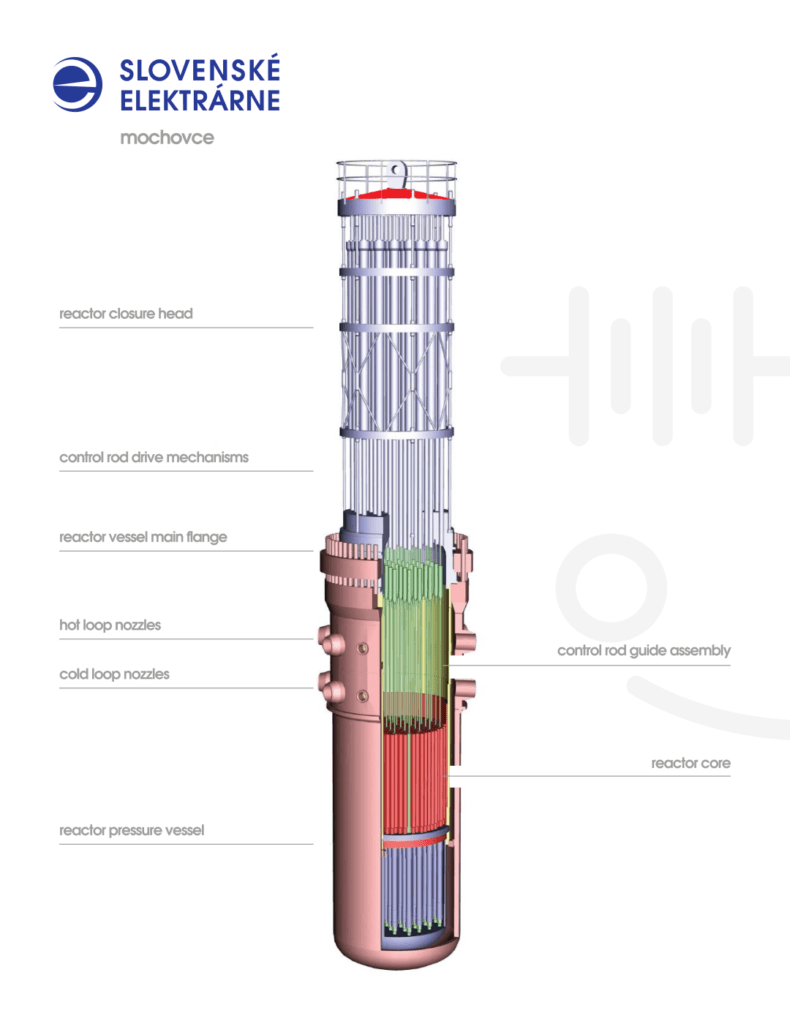
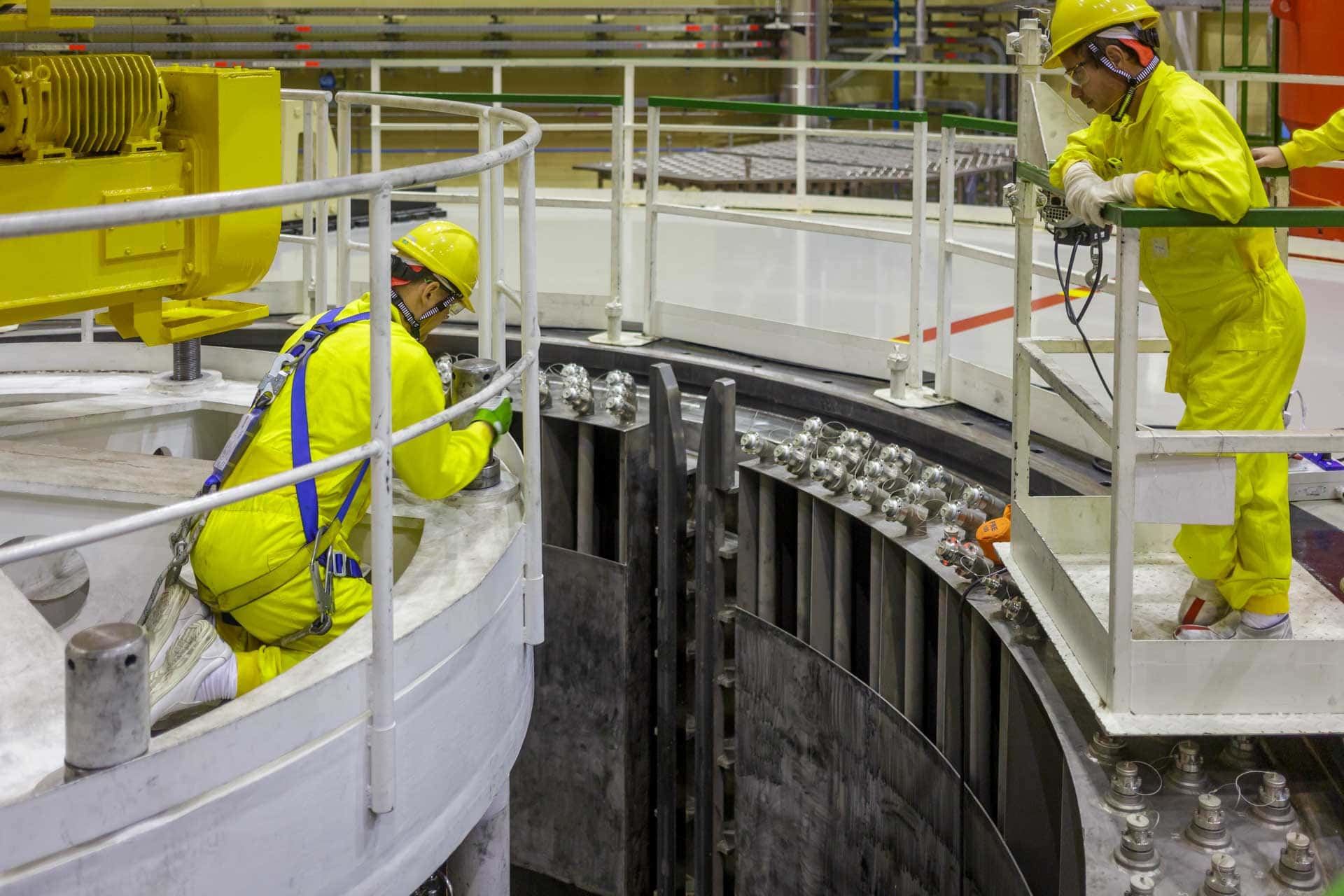
The reactor consists of several parts, which are gradually and very precisely placed on top of each other in the reactor shaft:
Slovenské elektrárne loaded a control rod guide assembly to the reactor core basket, in which the fuel assemblies are positioned. In it, boron absorbers are placed on 37 emergency, reactor control rods, which are used to regulate the fission reaction in the reactor. When you slide the assemblies from the top to the bottom position, the reaction stops. Conversely, pulling them out increases the reactivity.
The new reactor was covered by the reactor closure head and tightened with 60 reactor closure head studs.
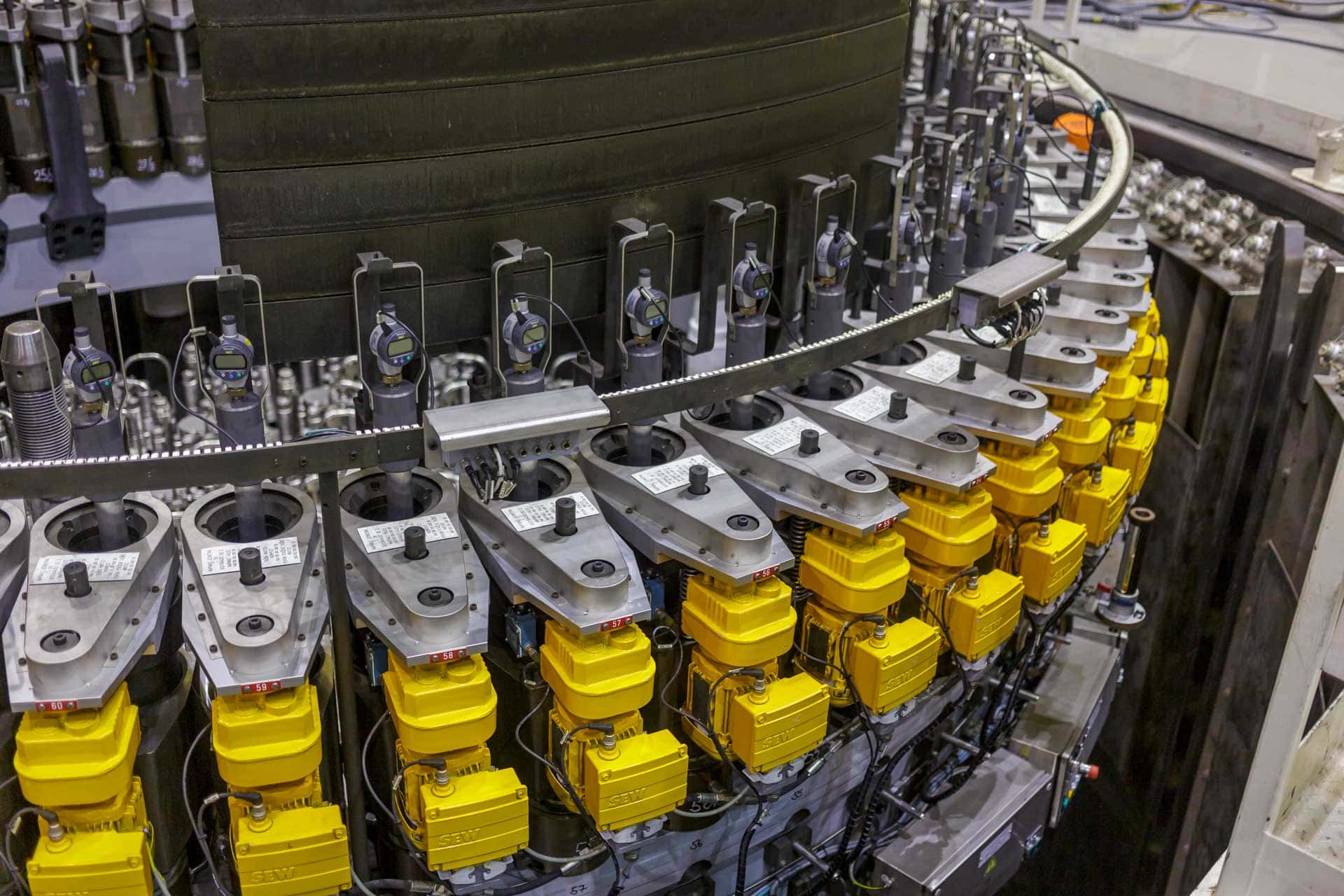
After increasing the medium level in the primary circuit, which is a mixture of water and boric acid, it was possible to connect the control rod drive mechanisms to the control rods themselves.
Engagement of the control rod drive mechanism and smooth running of the reactor control rods was measured by raising each assembly to its upper end position and measuring its smooth running without stalling. This is how all 37 reactor control rods were tested.
In order for the reactor operators to know the exact position of each reactor control rod during operation, 37 position indicators still had to be installed on the control rods drive mechanism, thus completely closing the reactor, and thus the unit went into mode 5 (cold shut down), which means a sealed reactor in a cold state. After the reactor was assembled, it was closed with a lid (the so-called “kolpak”) in the hermetic zone, meaning the containment.
Slovenské elektrárne started commissioning NPP Mochovce Unit 3 into operation on September 9, when it started loading nuclear fuel. After completing the fuel load, on September 12, the company proceeded to assemble the reactor, which was finished on September 20. The next milestone is the pressure and tightness tests of the reactor and the containment, the achievement of the critical state and the physical escalation tests. All these steps are part of so-called physical escalation, which takes about six weeks.
In the next phase – the power escalation – the reactor output is gradually increased, and a number of tests are carried out. Again also testing such situations that the power plant would never experience in normal operation. The power level is gradually escalated until finally the reactor reaches 100 percent power output. Only in this second phase of commissioning will the first megawatt-hours from the new Mochovce unit enter the Slovak grid, and electricity produced without carbon dioxide emissions will light up bulbs in households throughout Slovakia for the first time.
The start-up is completed by a 144-hour trial run of the Mochovce Unit 3 at its full capacity. From the point of view of electricity production, Slovakia will become energy self-sufficient as early as 2023. The service life of the new unit is planned for at least 60 years.
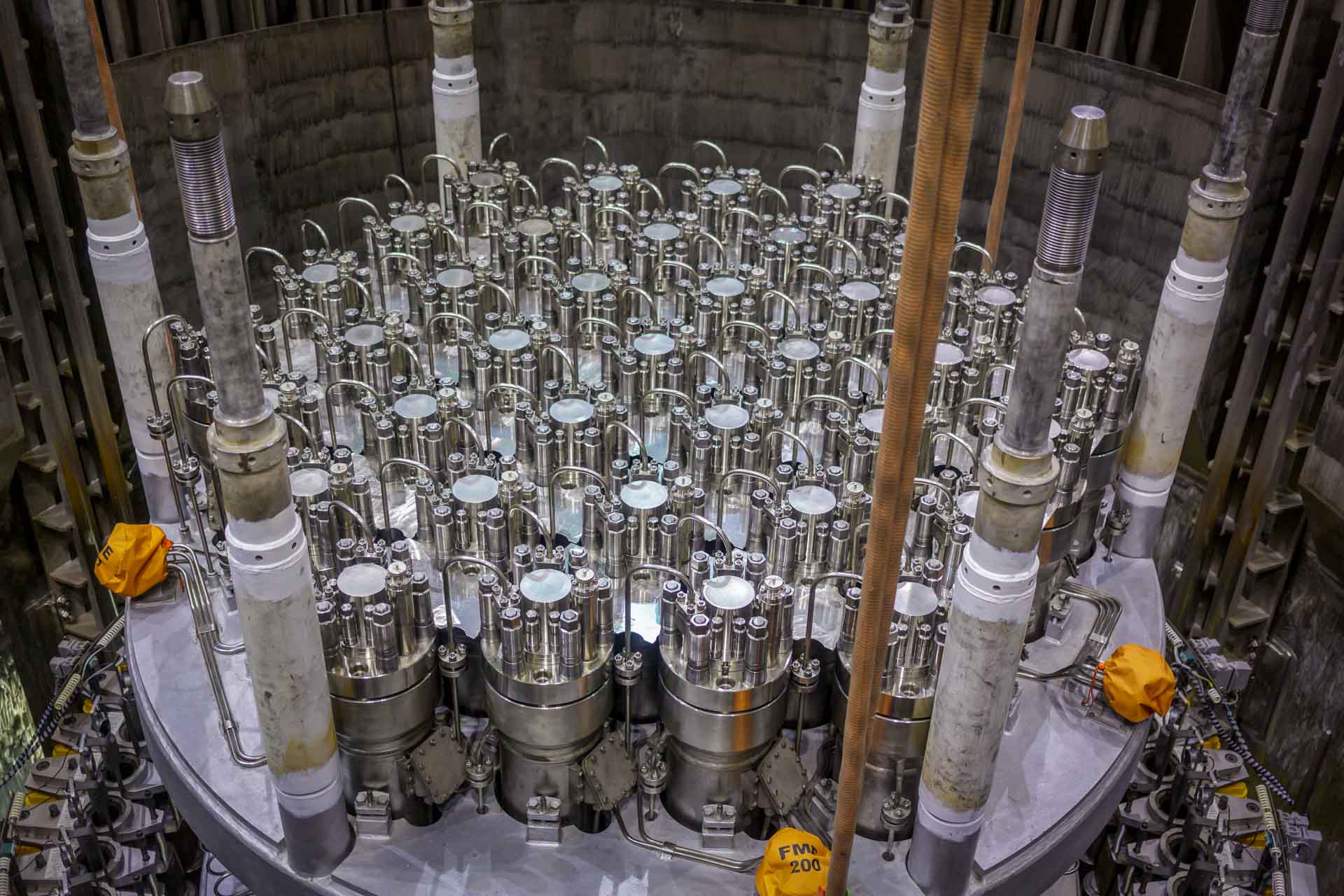
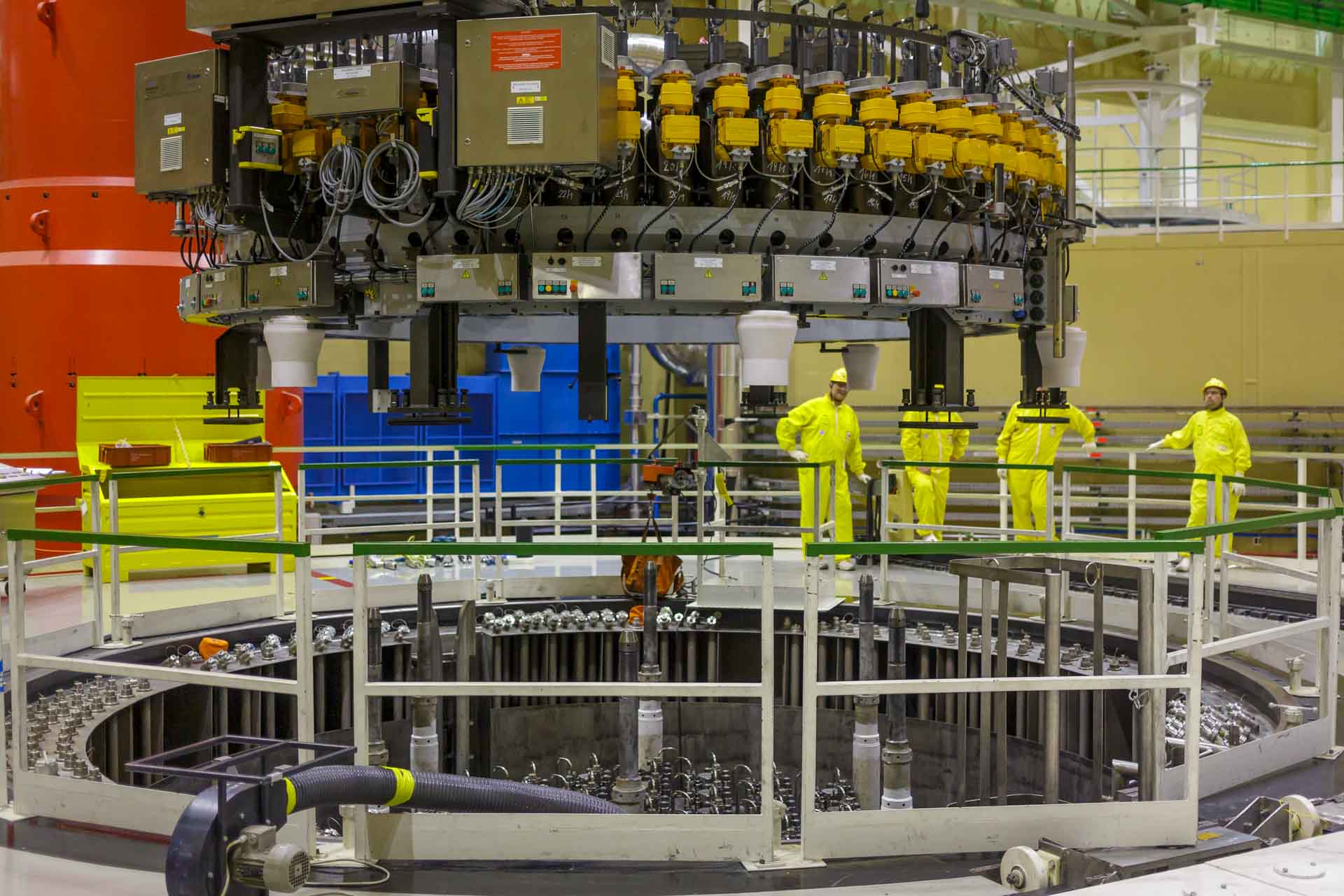
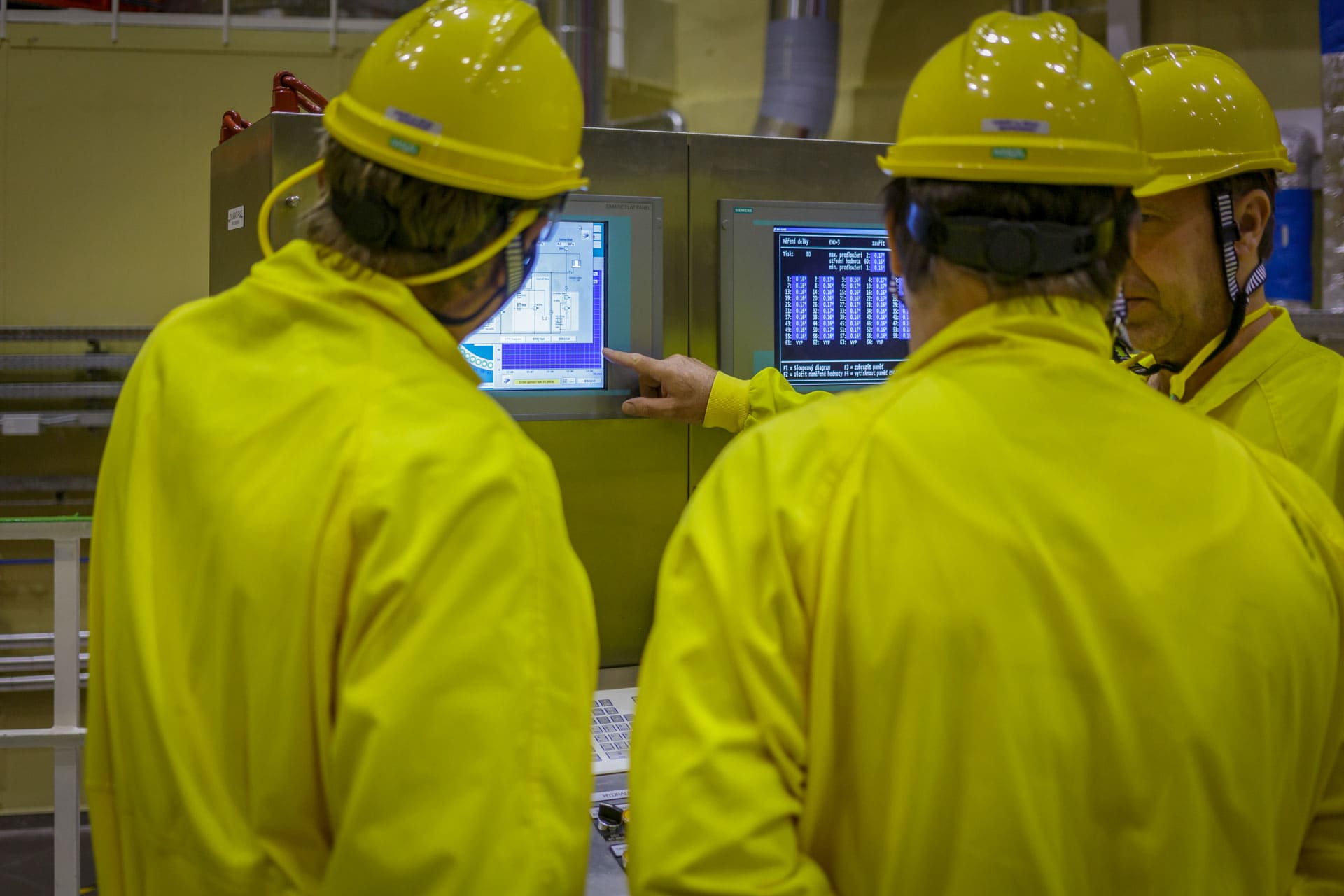
Each fuel loading is carried out according to a pre-prepared and approved programme, detailing which fuel assemblies will be placed in which positions in the reactor. There are 312 positions for fuel assemblies in the reactor and 37 positions for control assemblies with absorber. The introduction of the fuel into the reactor is only the beginning of the start-up process.
The correct loading of the assemblies is confirmed by UJD and IAEA inspectors
Inspection of the loaded assemblies is carried out by inspectors of the Slovak Nuclear Regulatory Authority (ÚJD SR), together with experts of the International Atomic Energy Agency (IAEA), who are present in the reactor hall of Unit 3.
After the inspection, Slovenské elektrárne, a.s. can proceed to the next start-up activities – the next milestones are the reactor assembly, pre-critical tests, reaching criticality and physical tests. All these steps are part of the so-called physical startup, which takes about six weeks.
In the next phase of the energy startup, the reactor power is gradually increased and a number of tests are carried out. Even situations that the plant will never experience during its operation. The power level is gradually increased to 100% of the reactor output.
As the thermal output of the reactor increases, so does the amount of steam that spins the turbines in the power plant. Only in this second commissioning phase, the first megawatt hours from the new Mochovce 3 unit will reach the Slovak electricity grid and the electricity produced free of carbon dioxide emissions will light up the households and factories in Slovakia.
The commissioning is finished by a 144-hour trial run of Mochovce Unit 3 at its full power.
Slovakia will thus become energy self-sufficient in terms of electricity production as early as 2023. The operating life of the new unit is planned to be at least 60 years.
The third Mochovce unit is no longer in the construction phase, after the first fuel assembly was loaded, it became the fifth nuclear unit operated in Slovakia. In the next four months or so, Slovenské elektrárne will undergo successively the phases of physical tests, power escalation tests and the final 144-hour trial run of the 471 MW unit at full power. Branislav Strýček, chairman of the Board of Directors and general director of Slovenské elektrárne, a.s., stated today at a press conference in Mochovce.
"Today we are beginning to write a new chapter of the energy sector in Slovakia and Europe. It is a peak of the long-standing project, which is one of the largest and most demanding in Europe, both financially and also infrastructurally. When fully operational, Mochovce Unit 3 will cover 13% of Slovakia's electricity consumption. This will make our country self-sufficient. At the same time, we will have one of the cleanest energy mixes in Europe. Achieving this milestone would not have been possible without the people from Slovenské elektrárne, our contractors and experts from the European nuclear industry, especially from Slovakia and the Czech Republic. Our thanks go to them."
Branislav Strýček, chairman of the Board of Directors and general director of Slovenské elektrárne, a.s.
With the loading of fuel into the reactor on 9 September, the whole commissioning process is just beginning.
The loading itself takes 108 hours, followed by reactor assembly, pre-critical tests, reaching criticality and physical tests.
All these steps are part of the so-called physical startup, which takes about six weeks.
In the next phase of the energy startup, the reactor power is gradually increased and a number of tests are carried out. Even situations that the plant will never experience during its operation. The power level is gradually increased to 5, 20, 35, 55, 75, 90 and finally 100% of the reactor output.
As the thermal output of the reactor increases, so does the amount of steam that spins the turbines in the power plant. Only in this second commissioning phase, the first megawatt hours from the new Mochovce 3 unit will reach the Slovak electricity grid and the electricity produced free of carbon dioxide emissions will light up the households and factories in Slovakia.
The commissioning is finished by a 144-hour trial run of Mochovce Unit 3 at its full power.
Slovakia will thus become energy self-sufficient in terms of electricity production as early as 2023. And the CO2 free electricity supply from Slovenské elektrárne, a.s. will approach 100%. The operating life of the new unit is planned to be at least 60 years.
The first assembly loading into the reactor was preceded by the official signing of the second instance decision on the commissioning of the power plant by Marta Žiaková, the chairwoman of the Nuclear Regulatory Authority of the Slovak Republic (NRA), which made this document legally valid and enforceable. The signature of the chairwoman of the NRA and the handing over of the licence to Branislav Strýček, the general director of Slovenské elektrárne, a.s., took place directly in the reactor hall.
More than 64.3% of all electricity generated in Slovakia comes from Slovenské elektrárne. The electricity supplied to the grid covers about 60% of the country's consumption. In particular, thanks to nuclear power plants, Slovakia's largest producer supplies up to 94% of its electricity free of carbon dioxide emissions, which is considered to be one of the greenhouse gases responsible for global warming.
In addition to nuclear power plants, the company also operates 31 hydro, 2 thermal and 2 photovoltaic power plants. Their total capacity at the end of 2021 was 4,143.8 megawatts.
The company has two shareholders. The majority shareholder is Slovak Power Holding B.V. (SPH), holding a 66.0000000523% share in the share capital. In SPH, EP Slovakia B.V. (a subsidiary of the EPH Group) holds 50% of the share capital and the remaining 50% belongs to Enel Produzione S.p.A (a subsidiary of the Enel Group).
The minority shareholder of Slovenské elektrárne with a 33,9999999477% share in the share capital is the Slovak Republic (shareholder's rights are executed by the Ministry of Economy of the Slovak Republic).
“Starting up the nuclear unit is a major milestone; it is great news for our company and for Slovakia, especially now at this time of an energy crisis. Unit 3 of Mochovce and our people are ready for start-up. We will start loading the fuel into the reactor without delay after the permit enters into a legal force,” stated Branislav Stryček, chairman of the board of directors and general director of Slovenské elektrárne, a.s.
The nuclear fuel for the reactor is now ready in the fresh fuel nod.
“After loading the fuel, physical start-up will begin. After that is complete, the power start-up follows, with the reactor power gradually being increased. We need approximately 18 weeks to achieve 100% power,” explained Martin Mráz, director of the Mochovce nuclear power plant.
The commissioning phase ends after all physical and power escalation tests have been completed, with a 144-hour trial run at full power. The reactor unit will start supplying power to the grid after connecting in one of the generators to the grid, which will happen at 20% of nominal power already during power escalation.
“Our top priority in power generation is always safety, and we will take the same approach when commissioning the unit. We have decades of experience in operating nuclear units and a team of internationally renowned experts, who will be in control of the entire process.”
- Branislav Strýček, Chairman and CEO of Slovenské elektrárne, a.s.
Readiness of Unit 3 for operation was also verified by international reviews by the International Atomic Energy Agency (Pre-OSART missions [1]) and the World Association of Nuclear Operators (WANO mission [2]).
Approximately 450 contractors have been involved in the construction completion project. At the peak of construction at Mochovce, nearly 7000 workers were on site, and by the end of 2021, over 107 million man-hours had been worked on the project.
Slovenské elektrárne, thanks mainly to its nuclear power plants, last year supplied to the grid 94 % of energy CO2-free. The annual production of the unit 3 will save 2.6 million tonnes of CO2 emissions, which is the same as if more than 1 million cars and trucks disappeared from Slovak roads
At start-up, the new nuclear unit at Mochovce will have an installed capacity of 471 MW, covering about 13% of Slovakia’s total electricity consumption. After the start of production, Slovakia will become self-sufficient in electricity supply.
Seven out of ten Slovaks support nuclear energy. Some 60% think that generating electricity at a nuclear power plant is safe. This is shown by the results of a public opinion survey by the ACRC agency for the Slovak Association for Foreign Policy (SFPA) and Slovenské elektrárne, conducted at the turn of June and July 2022.
[1] Pre-Operational Safety Review Team (Pre-OSART)
[2] The World Association of Nuclear Operators (WANO)
The popularity of peaceful use of nuclear energy is on the rise among Slovaks. If they could choose the source they believe is most important for a successful transition to a greenhouse gas-neutral energy system, nuclear power plants would come second - after solar energy. At the same time, the perception of the safety of nuclear power in Slovakia is changing, with 60.6% of the population considering nuclear power to be very safe or rather safe, compared to 45.2% in 2015.
While in 2015 every third Slovak wanted nuclear power plants to be decommissioned, either immediately (6.1%) or when they reach the end of their life (29.7%), today as many as seven out of ten people are convinced that we need nuclear power plants, we should operate them (35%) or both operate and complete new nuclear units (34.1%). This is according to the results of an opinion poll conducted by the ACRC agency in June and July 2022.
A gradual shift away from fossil fuels is key to reducing greenhouse gas emissions, and the energy sector has an important role to play here. Slovak residents would choose mainly solar power plants to reduce emissions (38%), followed by nuclear power plants (17%), wind power plants (16%) and hydroelectric power plants (16%). Geothermal energy (7%) and biomass combustion (6%) finished on the tail.
The situation is perceived in a diametrically different way by people living within 20 kilometres of Slovak nuclear power plants Bohunice NPP and Mochovce NPP. Up to 43% of them see nuclear power as the top priority in the fight against climate change. Solar energy is a distant second with 24% and wind energy is third with 18%.
Compared to 2015, a significant increase in support for nuclear energy can be observed. The development of nuclear energy is supported by 7 out of 10 people in Slovakia, which is an increase of almost 12% over the last decade. At the same time, 62% of respondents were in favour of the completion of units 3 and 4 at Mochovce NPP.
"The results of the survey, which we compared with a previous survey, show that support for nuclear power, approval of its operation and perception of its safety, has increased significantly within society and even more significantly among the population living in the vicinity of the plants," adds Michal Imre, Research Director of ACRC, the company that conducted the survey.
Almost three quarters of Slovaks (74.6%) perceive climate change as one of the main challenges we face as a civilisation. At the same time, an even larger share of the population believes that it is right to try to reduce emissions to zero. As many as four out of five of them think so (79.2%).
But as the share of intermittent renewables in Europe's energy mix grows, so do the demands on back-up sources, which today are mainly represented by power plants burning increasingly expensive natural gas – supplying the grid when there is less sunshine or little wind. Respondents were therefore asked whether they would be willing to accept an increase in electricity prices if it would increase the share of renewables, i.e. wind, solar, small hydro or geothermal power plants.
Only 7.3% of the population strongly agreed with the price increase and 35.5% of people were more likely to favour this option. They would be willing to accept an increase in the invoiced amount by a maximum of 5 (60.5%) or 10 euros per month (32.3%).
More than 98% of gas consumption in Slovakia is imported. The imports are 100% dependent from Russia. Should Slovaks reduce this dependence and obtain gas from other countries? This question was also asked in the survey. Gas is crucial in Europe, not only for heating, but also for the mentioned balancing of deviations caused by intermittent energy sources.
Three out of five (60.4%) Slovaks are strongly (23.6%) or rather in favour (36.8%) of reducing dependence on a single gas supplier. At the same time, people under 40 years of age, with a high school diploma or university degree are particularly inclined towards diversification of supply.
Only 7.4% would definitely accept a higher price and 24.4% of the population would be more likely to accept it. Even then, they would only be willing to pay 5 euros (63.2%) or 10 euros more (27.1%) on their monthly gas bill. It is important to underline that at the time of the survey, the price of both gas and electricity on the energy futures exchange had risen not by a few euros, but by several times due to the geopolitical situation in Europe.
In relation to climate change, the views of Slovaks are gradually changing also in how they assess the sustainability of energy production. While in 2015 as many as 53.4% believed that the country should produce as much energy as possible and export the surplus, today only 46.3% of the population is of the same opinion and up to half (49.3%) think that Slovak Republic should only produce as much as it consumes.
The survey was commissioned by the Slovak Foreign Policy Association (SFPA) and Slovenské elektrárne, which carried out a similar survey in 2015, making it possible to compare the change in the mood of Slovaks over the past years. The ACRC conducted the survey from 21 June to 12 July 2022 by face-to-face enquiry. The sample consisted of 812 respondents representing the 5 million population of the country, aged 15 to 69 years in terms of gender, age, education, settlement size categories and regional breakdown. At the same time, a sample of 504 and 506 respondents in the vicinity of the nuclear power plants in Mochovce and Jaslovské Bohunice, respectively, were surveyed by telephone.
On Saturday, 9 July 2022 at 10:56 a.m. Slovenské elektrarne completed the second scheduled general overhaul of this year at Bohunice V2 Nuclear Power Plant by connecting the first turbine to the power grid, during which 73 fuel cartridges in the reactor and 18 392 tubes in the main condensers of both turbines were replaced.
The unit is shut down once a year after just over 300 days of effective operation. The start date is set by calculations by nuclear physicists who determine how many and which fuel assemblies are to be replaced. In addition to fuel replacement, projects such as overhaul of the steam generator, main coolant pump and feed water pumps were carried out during this outage. They also performed heterogeneous weld modifications on the feedwater, diesel generator oil cooler, cooling tower pool cleaning and inspection, and main condenser tubes replacement.
Prior to the actual start-up of the reactor the prescribed pressure tests of the primary circuit and steam generators were performed. Following successful physical start-up tests and the phasing of both turbines, the power output of the reactor and turbines was increased to nominal power.
"Our goal is safe and reliable operation throughout the next campaign."
Patrik Kašo, Director of Bohunice V2 Nuclear Power Plant
Slovenske elektrarne are facing one more general overhaul this year at Mochovce on reactor Unit 2.
The planned general overhaul (GO) of Bohunice NPP Unit 3 starts with the shutdown of turbine generators on Saturday morning, 18 June 2022. One fifth of the fuel in the reactor will be replaced during the outage. Workers from Slovenské elektrárne, a.s. and contractors will carry out planned repairs to one of the plant's three redundant emergency safety systems.
Priority activities on the plant's primary (nuclear) circuit equipment include overhaul of one of the six steam generators and one main circulation pump, repair of the control rod nozzles, and repair of a heterogeneous weld on the steam generator feedwater.
On the secondary, non-nuclear circuit, the main activities include the overhaul of the tertiary circuit pump, cleaning and inspection of one cooling tower pool. At the same time, Slovenske elektrarne will implement 23 capital construction projects to further improve safety - those that cannot be done during normal operation. These include, for example, the replacement of approximately 19,000 tubes in the main condenser of both turbine-generators.
"We are starting the general overhaul of Bohunice Unit 3 just one and half a week after the completion of the GO of Unit 4, which requires extraordinary commitment and effort of the staff to manage it perfectly, without unnecessary complications in terms of occupational health and safety, fire, radiation and nuclear safety."
Mr. Patrik Kašo, Director of Bohunice Nuclear Power Plant
As the last of the four nuclear units operated in Slovakia, the second unit of the Mochovce NPP will undergo this year’s general overhaul in September 2022. Each of the four VVER 440 pressurised water reactors, which are the only reactor type in operation in Slovakia, must be shut down at least once a year for a planned partial refuelling. All reactors in operation in Slovakia are owned by Slovenské elektrárne, a.s.
On Wednesday, 8 June, Slovenské elektrárne completed the first of two consecutive planned general overhauls at the nuclear power plant.
The outage of the fourth Bohunice unit lasted over three weeks and involved a number of standard works and investment projects, including a test of the so-called start-up from blackout. For the first time ever, Slovak power engineers successfully tested their readiness for a possible total blackout in the west of the country at a nuclear power plant.
Read more: We successfully simulated blackout in Jaslovské Bohunice - SEAS
At the same time, an overhaul of one of the steam generators, two main circulation pumps, a low-pressure part of one turbine, as well as the replacement of the tubes of the main condensers of the turbines was performed at the Bohunice power plant.
The main objective of the overhaul was, as with any planned overhaul, to replace one fifth of the fuel in the reactor. Prior to restarting the nuclear unit, the plant checked leak tightness of the primary circuit in a pressure test.
We have implemented one hundred percent of all planned capital projects and operational checks, which will ensure safe and reliable operation of the unit throughout the coming year.
– Patrik Kašo, Director of Bohunice NPP
Slovenské elektrárne schedule to shut down the Bohunice nuclear power plant Unit 3 in June. Unit 2 of Mochovce will be the last unit to undergo a general overhaul this year.
The planned general overhaul of the fourth unit of Bohunice Nuclear Power Plant starts on Saturday, 14 May with the shutdown of the turbine generators. As every year, one fifth of the fuel in the reactor will be replaced during the overhaul. Slovenske elektrarne and contractors will inspect the reactor pressure vessel and carry out planned repairs to one of the plant's three redundant emergency safety systems.
Priority activities on the primary (nuclear) circuit components of the power plant include also scheduled works on three of the six steam generators, as well as overhauls of the two reactor coolant pumps.
On the secondary, non-nuclear circuit, the main activity is the overhaul of the stator and rotor of the high and low pressure parts of one turbogenerator. In parallel, Slovenske elektrarne will perform 26 investment projects to further enhance safety - works that cannot be done during normal operation. These include, for example, restoration of design reliability of sprinkler coolers of safety systems, or replacement of some 19 000 tubes in the main condenser on the turbine generator (TG41).
"We realise how important it is to carry out both overhauls at the Bohunice plant safely, efficiently and smoothly in this turbulent period. We are prepared in terms of personnel and material for all planned activities related to the overhauls," said Patrik Kašo, Director of the Bohunice power plant.
One month after this overhaul, the third unit of Bohunice NPP is scheduled to be shut down. Unit 2 of Mochovce will be the last to undergo a general shutdown in 2022. The overhaul of the first one was in April and lasted for three weeks.
Each of the four VVER 440 pressurised water reactors, which are the only type of reactor in operation in Slovakia, must be shut down at least once a year for a planned partial refuelling. All reactors in operation in Slovakia are owned by Slovenske elektrarne, a.s.
The planned GO of the Mochovce Unit 1 lasted three weeks and included a number of standard works as well as implementation of investment projects such as measures enhancing seismic resistance of components and buildings or unit transformer replacement.
The main goal of the overhaul was the replacement of a fifth of the fuel in the reactor and performance of planned repairs and inspection of important components of the power plant, which can only be performed when the Unit is shut down. Before restarting the reactor unit, tightness of the primary circuit was verified by a pressure test.
„I am very pleased that we carried out all the planned activities during the general overhaul to the expected quality and according to schedule. We have completed the design changes to increase the seismic resistance of the technological systems located in the containment, thus increasing the level of nuclear safety of this unit.“
- Miroslav Tokár
Director of Nuclear Power Plant Operation Division
This year, Slovenské elektrárne is planning the overhaul of the fourth unit of the in Bohunice V2 nuclear power plant in May, followed a month later by unit three, and the last overhault in 2022 will be the general overhaul of the second unit of Mochovce NPP.
